
Designing the Next Generation of Sustainable Vertical Cities
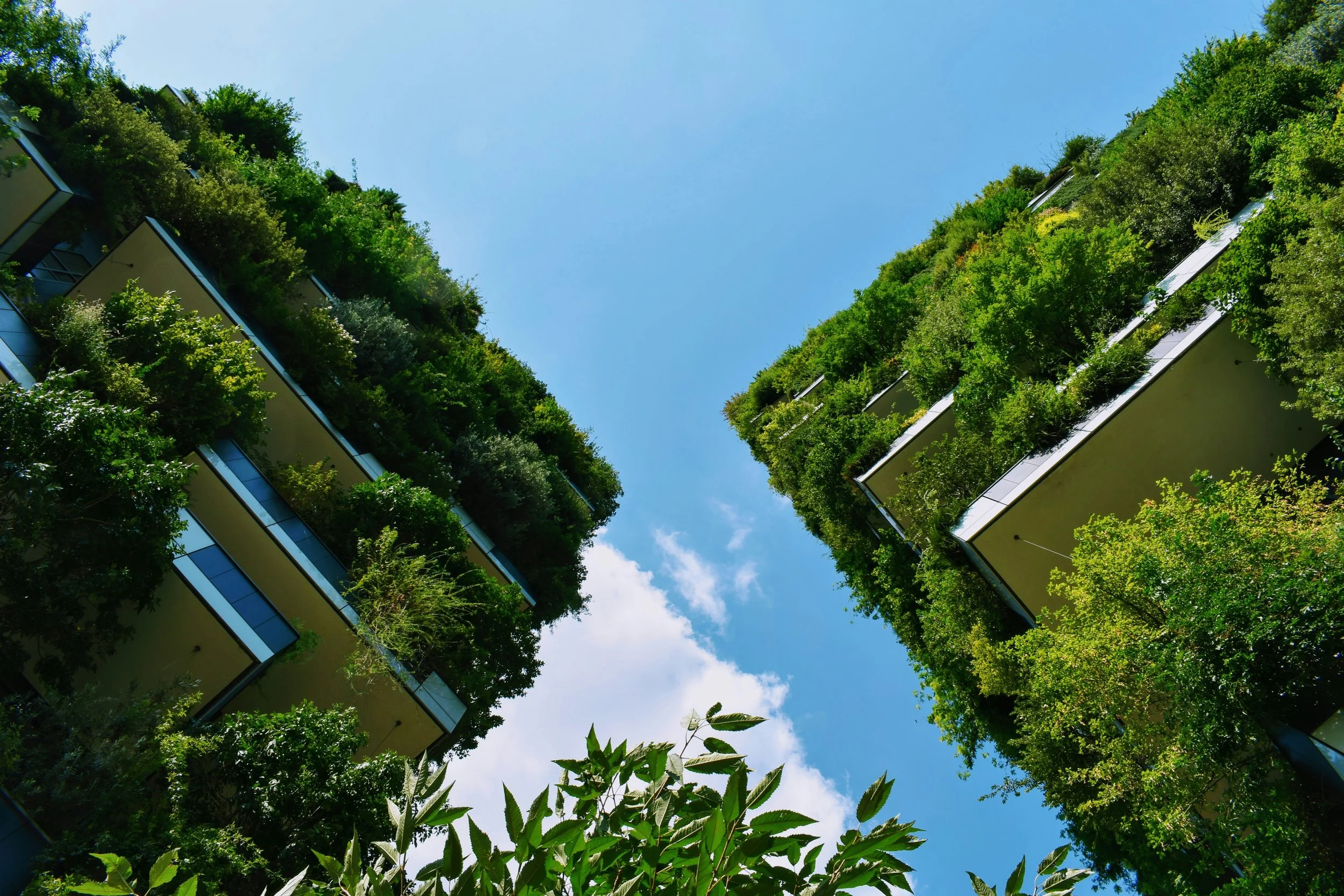
The future of urban living is vertical, which is proven by the growth in the number of high-rise buildings being built across the world. As populations continue to rise in metropolitan areas, the skyscraper is becoming a huge part of the world’s sustainable future. Designing the next generation of high-rise buildings needs to consider various aspects, from energy efficiency to integrating ecology. It all needs to be done with human well-being in mind, so it gives people an optimal place to live.
Tall buildings can be designed to maximise natural light and ventilation, reducing the need for artificial lighting and heating, which can be great for reducing energy consumption and bills. With more high-rise buildings being made sustainably, cities can streamline infrastructure, such as transportation and utilities, leading to cost savings.
In this guide, we will explore the growth of sustainable vertical cities with the next generation, focusing on designing and constructing skyscrapers that are eco-friendly and great for general well-being. Continue reading to find out more.
How Sustainable High-Rise Buildings are Designed
Green Emissions and Materials
Operational energy has been the main focus on high-rise buildings for decades, with the need for heating, cooling and lighting being essential to create a liveable area. However, there are now greener solutions that can do the same thing without using up embodied carbon. The solution is to reduce carbon emissions by using low-carbon materials, such as cross-laminated timber (CLT) for hybrid structures. Other materials like recycled steel can also be used for the exterior walls, interior walls or insulation layers, which can help with keeping heat in and the cold out.
Life-Cycle Analysis
The application of Life-Cycle Analysis (LCA) has become a non-negotiable standard in sustainable high-rise design. This provides a detailed environmental assessment that extends far beyond the construction period. Comprehensive LCA evaluates every material choice and construction method, so you can see the environmental burdens, including greenhouse gas emissions, water consumption, and resource depletion over the building's entire predicted 60 to 100-year lifespan. With this, everyone involved with the project can make a plan to improve the sustainability of the build.
Dynamic Exteriors
Using high-performance and low-emissivity coatings for the exterior of the high-rise building will minimise heat transfer, while the window-to-wall ratio is strategically controlled to maximise daylighting. It can also help with minimising solar heat gain. Dynamic shading can be great for creating sun-free areas, so you can escape extreme glare from windows. Electrochromic glass is great for this, as it automatically adjusts based on the sun’s intensity. Thermal mass will regulate internal temperatures, too, which will reduce reliance on HVAC systems.
Water Management
High-rise buildings can be much better at collecting and reusing water. This is due to their large scale and population density, which make the implementation of on-site water recycling systems more economically viable and impactful. Greywater recycling and blackwater treatment systems allow non-potable water to be reused for irrigation, flushing systems and cooling towers. High-rise buildings are also great for rainwater collection due to being closer to the sky, which reduces reliance on municipal supply.
Renewable Energy
While a single tower cannot be entirely self-sufficient, it can be a significant energy producer for a city of high-rise buildings. This involves integrating building-integrated photovoltaics (BIPV) directly into the roof, and sometimes utilising small-scale vertical axis wind turbines strategically placed to capture high-altitude winds. Facades can be covered with solar panels to turn the entire building into a solar farm, especially useful in urban areas where land for traditional solar plants is limited.
Accessible Green Spaces
Biophilic design is very important for wellbeing, and this can be used to create green spaces in apartment or office blocks, which is great for improving quality of life. This involves incorporating elements like landscaped terraces and multi-story vertical gardens throughout the tower, so there is plenty of nature. These green interventions can boost biodiversity in the urban environment, act as natural filters to improve air quality by absorbing pollutants. They also provide essential psychological respite for residents and workers.
Efficient Machinery
When you use efficient machinery, it will streamline the creation of high-rise buildings and allow the project to be completed quickly, which can be more eco-friendly. The most effective machinery for building skyscrapers is super MEWPs for hire, so these should be used to reach extreme heights, so the construction process much easier. These types of machines are now more sustainable than ever before, as they produce fewer emissions to operate.
Final Thoughts
The next generation of vertical cities is now energy hubs that support the stability of the public grid, using smart energy management and battery storage to balance peak demand. These towers are now designed for material recovery at the end of their lifespan, turning a traditional demolition site into one with reusable resources. With a focus on residential wellbeing, creating a green premium in the market makes sustainable buildings highly attractive to tenants and potential investors.
_
Amy Jones is a freelance health and wellness writer from Manchester UK. She loves researching and writing about health topics, as well as keeping up to date with the latest health news, and eco-friendly brands. Her passion for health and wellness stems from her innate desire to educate people on how to properly take care of their bodies, spot any early signs of illness and take the best preventative methods. When not writing, you can find her taking long walks in the countryside with her dog, listening to groundbreaking podcasts or browsing her nearest bookstore.



If you’re looking for a new podcast to check out, don’t worry we have you covered. Here are five podcasts we think you should check out right away.