
How Digital Money Is Reshaping the Way We Interact Online
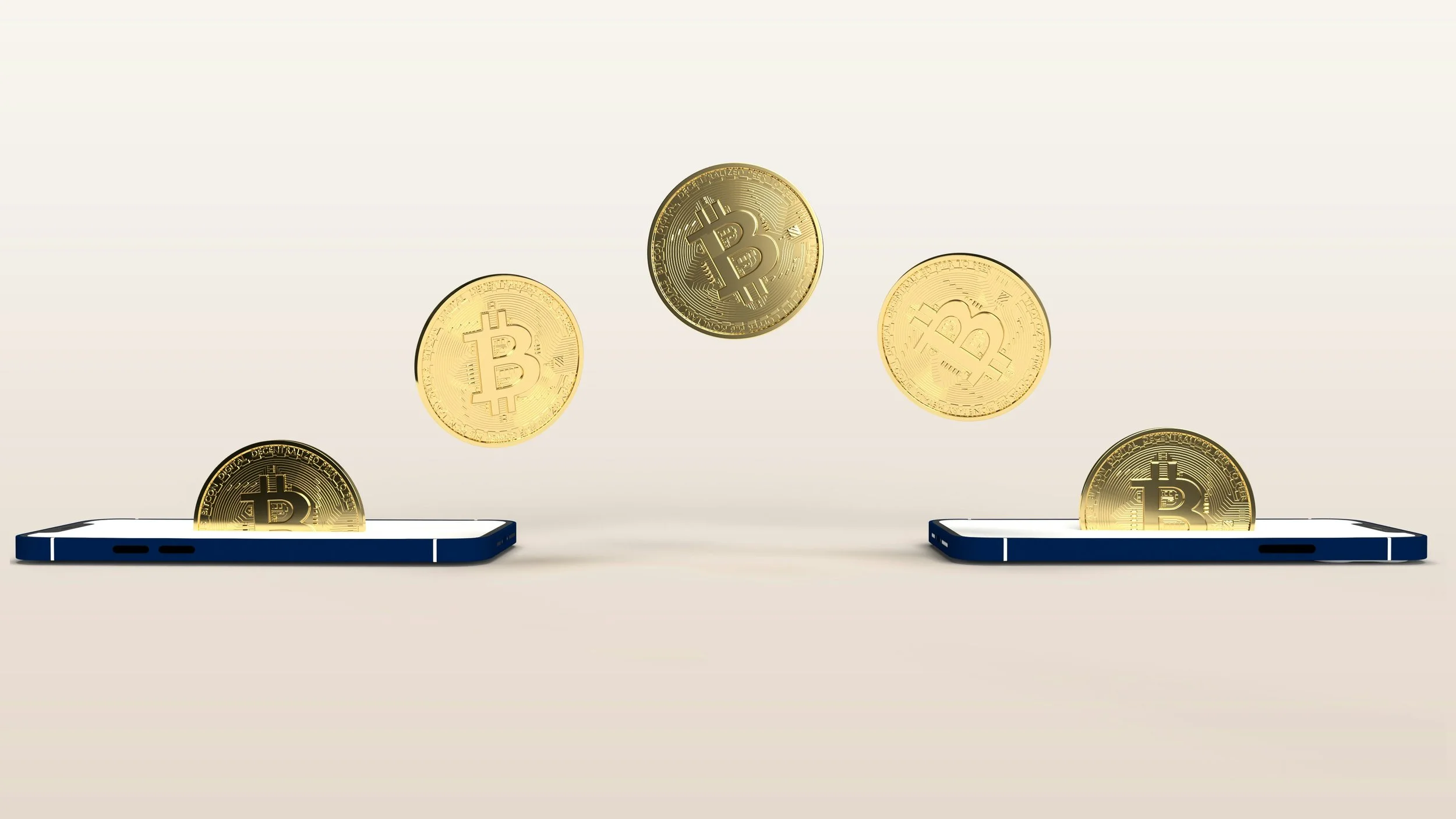
Photo by Shutter Speed on Unsplash
Digital money is moving into the centre of everyday online life. What used to feel experimental or niche has become a normal part of how people work, shop, create, and communicate. The internet has always pushed change, but the current shift in how value moves online is different. It is not just about new tools. It is about new habits that shape how people think about ownership, control, and financial independence.
Digital payments once meant typing a credit card number into a checkout page. Now the landscape is far more diverse. People use mobile banking, peer-to-peer transfers, instant payouts, digital tipping, subscription platforms, and global marketplaces that operate entirely online. This evolution is driven by convenience, but it is also driven by the need for systems that match the speed and flexibility of internet life. People want financial tools that operate as quickly as their online decisions.
Remote work and creative work have accelerated the shift. The online economy is now filled with freelancers, independent creators, educators, consultants, and small business owners who work across borders and time zones. They depend on fast digital payments to keep projects moving. Traditional banking systems often slow them down with long waiting periods or complicated verification steps. Digital money creates smoother workflows and fewer barriers, which is why adoption continues to grow.
Businesses are adapting at the same pace. Many platforms now build their models around microtransactions, digital memberships, streaming access, and instant order fulfilment. These structures would not function without reliable digital payment systems. Users expect simple checkout flows, fast processing, and clear confirmations. Platforms that fail to provide this lose trust quickly. The online world rewards smooth interactions, and digital money has become a core part of delivering that experience.
Another factor behind the evolution is the growing focus on personal financial control. Users care more about where their data goes, how their transactions are handled, and how much autonomy they have over their assets. This is part of a broader cultural shift toward transparency and empowerment. People want to understand the tools they use. They want financial systems that do not feel mysterious or restrictive. Even something as specific as a bitcoin wallet now shows up in normal discussions about digital finance because users are exploring ways to manage money with more independence and clarity online.
Security plays an important role. As digital transactions become more common, the risk of fraud or data misuse becomes more visible. Users expect platforms to invest in stronger protection, reliable authentication, and smarter verification flows. Companies have responded by improving encryption standards, redesigning login systems, and tightening the ways user data is stored and accessed. For many people, security determines whether they trust a platform. Trust determines whether they stay.
Digital identity adds another layer to the picture. A person’s online presence is now tied to their purchases, memberships, digital access rights, work accounts, and personal interactions. Managing all of this requires systems that are reliable, organised, and user-friendly. The challenge is to provide structure without creating friction. This is why more platforms are investing in identity tools that make login steps faster, reduce repeated verification, and give users more visibility into what information they are allowing platforms to access.
The shift is also changing how people view their daily routines. Many users do not realize how often they interact with digital money. They pay for transportation, entertainment, food delivery, online courses, cloud storage, and collaboration software. They send money to friends or family in seconds. They buy digital products without thinking twice. The process feels simple because the underlying infrastructure has matured.
The next stage of digital money may be defined by how invisible it becomes. The goal is not to overwhelm people with advanced features or complex systems. It is to integrate financial processes into digital life so naturally that people barely notice the transition from thought to action. This is already happening in small ways, such as one-touch payments, saved methods across devices, and simplified checkout screens. As these tools improve, adoption becomes less of a conscious choice and more of an everyday reflex.
Offline interactions will continue to blend with online systems. Event venues, retail environments, transportation services, and learning spaces are adopting digital payment options that mirror what people already use on their devices. The habits formed on the internet influence expectations everywhere else. People want fast solutions, predictable interfaces, and tools that work across platforms. Digital money provides this consistency.
Businesses that understand this shift will have an advantage. They can design experiences around the expectations users already have. This means removing unnecessary steps, providing clear information, offering multiple payment methods, and investing in systems that protect user data without complicating the processes. Companies that adapt quickly will build stronger loyalty because users recognise when their time and privacy are respected.
The broader effect is cultural. Online communities are becoming more financially aware. People discuss economic choices, digital savings strategies, independent earning opportunities, and personal budgeting tools. They share experiences about what works and what does not. This collective understanding raises confidence and reduces the fear often associated with financial decision-making.
Digital money is not simply a technological evolution. It is a behavioural shift. It changes how people relate to value, how they manage commitments, and how they build independence in a digital environment. The online world continues to expand, and the systems that support financial activity must keep pace with it. The platforms that make digital money feel seamless will shape the future of how people interact online.


Learn how to spot misleading wellness claims and assess phrases like “clinically tested,” “independently tested” and “backed by science” with confidence.