
Secondhand Style: How to Curate a Dream Wardrobe Without Breaking the Bank
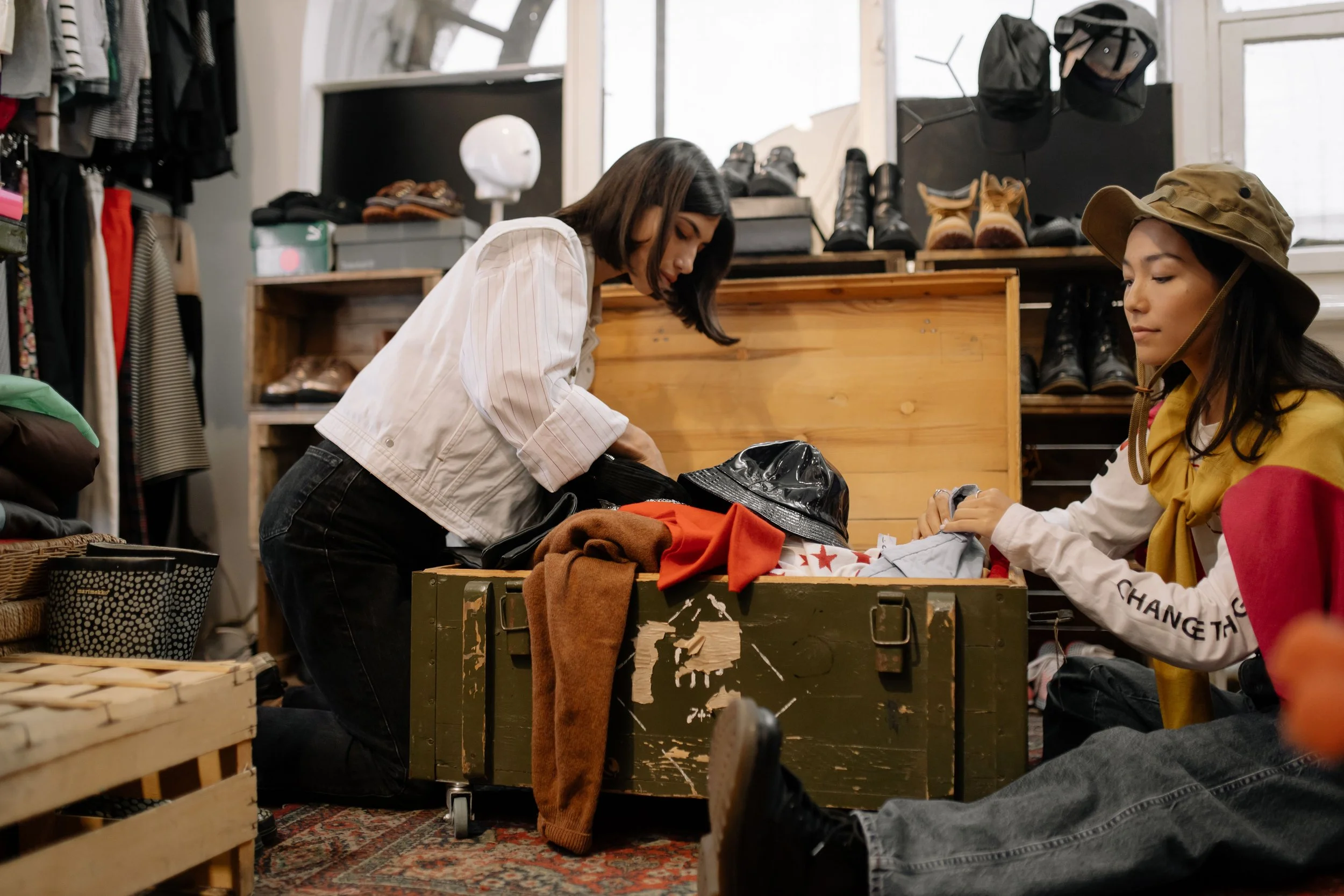
Curating your dream warboke is a process. With clothing being a prominent part of many people's lives, ensuring their wardrobe reflects their likes, personal style, and lifestyle choices is essential. But with new fashion trends popping up every day and apps such as TikTok prompting the new item of the season, it's difficult not only to find your own personal style but also to shop on a budget. Although these items may seem inexpensive individually, when there is a new item of the week every week, this can start to become expensive and leave you with a wardrobe full of poor-quality, microtrend items that are not relevant to your personal style.
In addition to being expensive, constantly buying trending products just to throw them out the next season is also harmful to the environment. With fashion being one of the number one polluters, and the issue is also becoming worse, pushed by fast fashion companies, it's never been a better time to start buying second-hand and thrifting your wardrobe.
So, if you want to curate your dream wardrobe on a budget whilst also saving the planet, here is how you can transform your current wardrobe wth quality pieces that feel like you, maximising cost per wear and minimising its effect on the environment.
Define your style and needs
Firstly, defining your own personal style and what you like and dislike is the first step in creating your second-hand wardrobe. This means surveying your current collection of clothes and picking apart the colours, styles and materials that you love, whilst also removing any ‘just in case’ clothing that rarely gets worn. Once you have defined your likes and dislikes using your own clothing, you should create a list of anything you're missing and any wants or dream pieces that you've always been after, and this will become your thrifting guide. Try to aim for a wardrobe balance of 80:20, which is 80% functional pieces that you can wear every day and 20% stand-out or going-out pieces that you wear on special occasions.
Master second-hand sourcing
In-person shopping: Mastering secondhand sourcing in person is essential to not only finding pieces that are inexpensive but also unique and high-quality. Charity shops and vintage shops are best for in-person shopping as they provide both inexpensive and curated pieces. A top tip here is to shop in wealthier neighbourhoods to score high-end designer pieces, such as pink sapphire jewellery, at a fraction of the cost.
Use online platforms: Thanks to online advancements, now thrifting is easier than ever, with apps such as Vinted and Depop making sustainable online shopping easy. These apps give you thousands and thousands of clothes, new and vintage, in one place. These marketplaces also allow you to haggle and offer lower prices for clothing, meaning that you can get a good deal all without leaving your home. Keywords are the key to mastering online shopping, as this helps to filter clothing items that fit your style or the brand that you like to wear.
Maintain and customise
Part of sustainability and making your wardrobe feel like you is customising your current wardrobe. This includes taking in ill-fitting clothing yourself or using a local tailor and altering tops by cutting off necklines and arms.
Part of sustainability is also making sure your current clothes last. Washing clothes in gentle detergents, as well as steaming garments to make them look crisp and expensive, can transform your wardrobe without breaking the bank.
_
Amy Jones is a freelance health and wellness writer from Manchester, UK. She loves researching and writing about health topics, as well as keeping up to date with the latest health news and eco-friendly brands. Her passion for health and wellness stems from her innate desire to educate people on how to properly take care of their bodies, spot any early signs of illness and take the best preventative methods. When not writing, you can find her taking long walks in the countryside with her dog, listening to groundbreaking podcasts or browsing her nearest bookstore.



Discover the inspiration behind Viva! Everyone Can Cook Vegan with Maryanne Hall. Explore plant-based recipes, kid-friendly dishes, and how this ethical cookbook supports health, animals, and the planet.