
Jewellery You Can Live In: The Rise of Effortless Everyday Rings
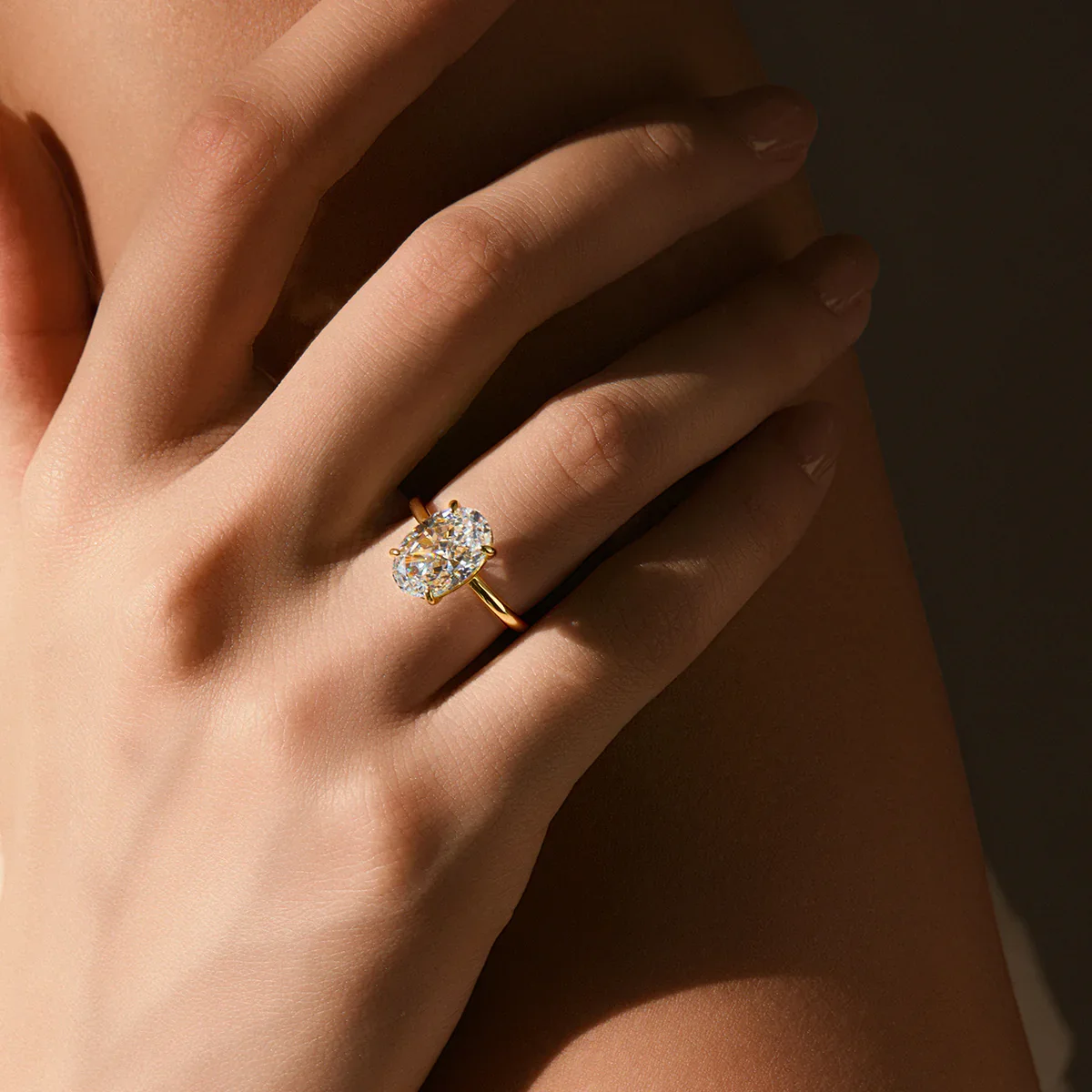
Something has quietly shifted in the way people wear jewellery. It's not dramatic or sudden, more of a gradual drift away from saving pieces for special occasions and towards wearing them as part of ordinary life. Accessories that once came out only for evenings or events are now just... always there. Part of the furniture, really.
Rings sit at the heart of this change. A necklace might come off at bedtime, earrings get swapped out depending on the mood, but rings tend to stay put. They're there when you're making breakfast, typing emails, carrying shopping, quietly present throughout the whole day. That constant, tactile quality is exactly why people have become more particular about what they actually want on their fingers.
It's also why styles like travel rings have found such a natural audience. Designed with continuous wear in mind, they tend to prioritise things like comfort and durability over fussiness, pieces that can come along for whatever the day brings without needing to be babied or removed.
Rather than belonging to a specific outfit or occasion, they just fit in. Quietly adaptable, not demanding any particular attention.
The shift towards everyday jewellery
"Everyday jewellery" as a concept isn't new. But what people mean by it has changed quite a bit. Previously it often implied something functional and fairly unremarkable, a simple piece worn out of habit. These days there's a much stronger sense of intention behind it, and of emotional attachment.
A lot of people are settling into a small, consistent set of pieces they rarely take off. Those items start to feel like part of who they are, a sort of wearable constant amid everything else that changes. Rings lend themselves to this particularly well. Because you feel them throughout the day, not just glimpse them in a mirror, they become more embedded in daily life than most other accessories.
There's also something in the appeal of making fewer decisions. Rather than selecting new combinations each morning, many people are curating a small, reliable edit of jewellery that works across whatever the day throws at them. It's a form of simplicity that doesn't require sacrificing personality.
Why comfort has become essential
Comfort is now genuinely central to how everyday jewellery is designed, and it's not hard to understand why. A ring might be beautiful, but if it catches on your sleeve, digs in during a long commute, or just feels awkward after a few hours, you're not going to keep wearing it. Simple as that.
Smooth finishes, low-profile shapes, and lightweight construction have all become more desirable for this reason. Rings that sit close to the finger get in the way less, whether you're typing, cooking, or just going about your day. Small details like a rounded interior can make a surprising difference too, letting the ring move with the hand rather than pulling against it.
In this sense, jewellery has become functional in a new way. The goal isn't purely decoration any more. The best everyday pieces are the ones you essentially forget about, present without being a distraction.
The role of simplicity in modern styling
As jewellery becomes part of the everyday rather than the occasional, simpler designs tend to do better. That's not really about minimalism for its own sake; it's more that anything too intricate or delicate starts to feel misplaced on a fast-moving day.
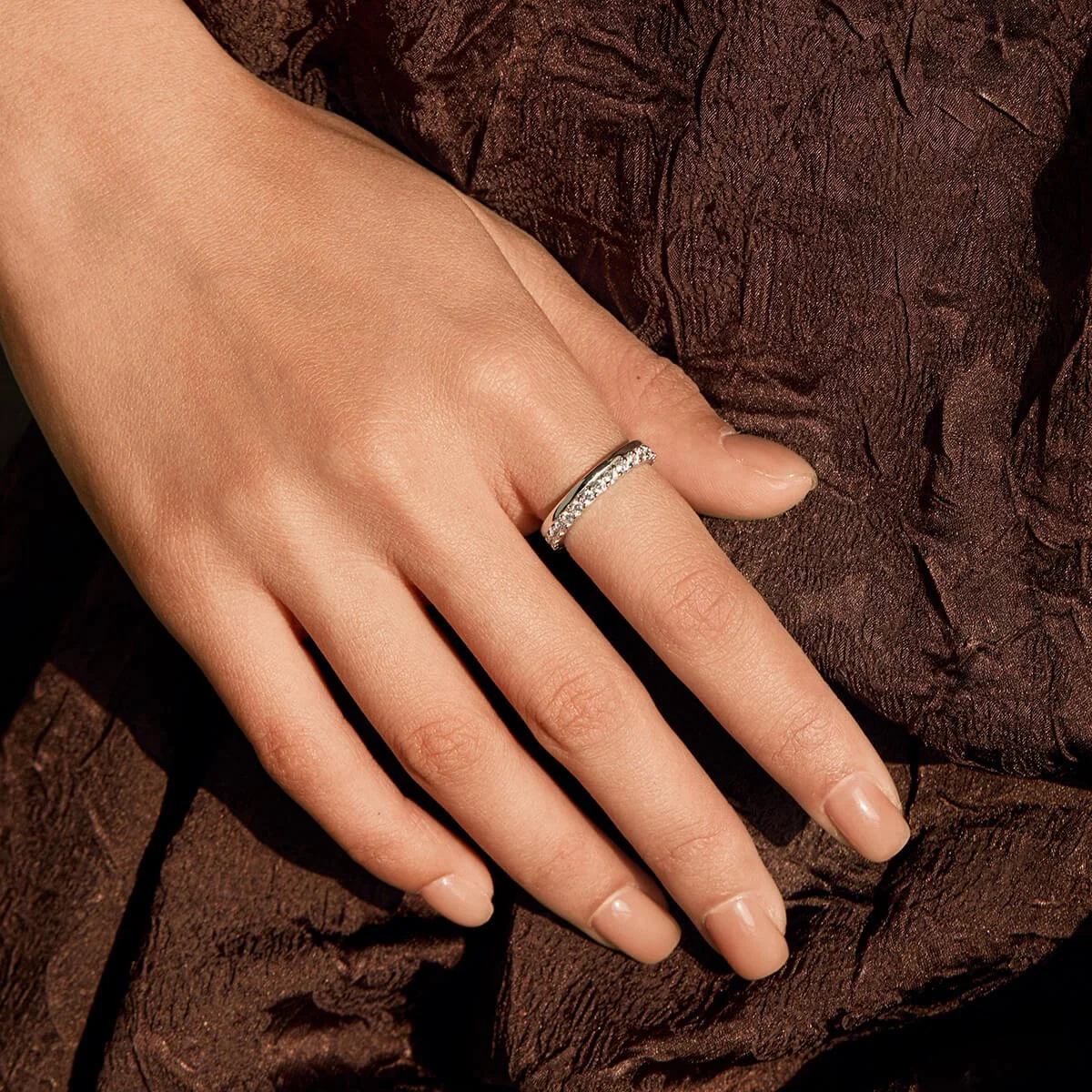
Plain bands, subtle textures, understated shapes - these hold their own across a huge range of situations. They work in an office, a café, a weekend away, without ever feeling out of place or overdressed. There's a quiet versatility to them that more elaborate pieces just can't match.
Simplicity also ages well. Jewellery trends shift, sometimes quite rapidly, but a clean, well-proportioned design tends to stay relevant. For something you're going to wear most days, that longevity matters far more than novelty.
Jewellery as part of daily routine
One of the more interesting things about wearing the same pieces consistently is how they stop feeling like a choice. After a while, they're just part of getting dressed — or not even that deliberate. They're simply on.
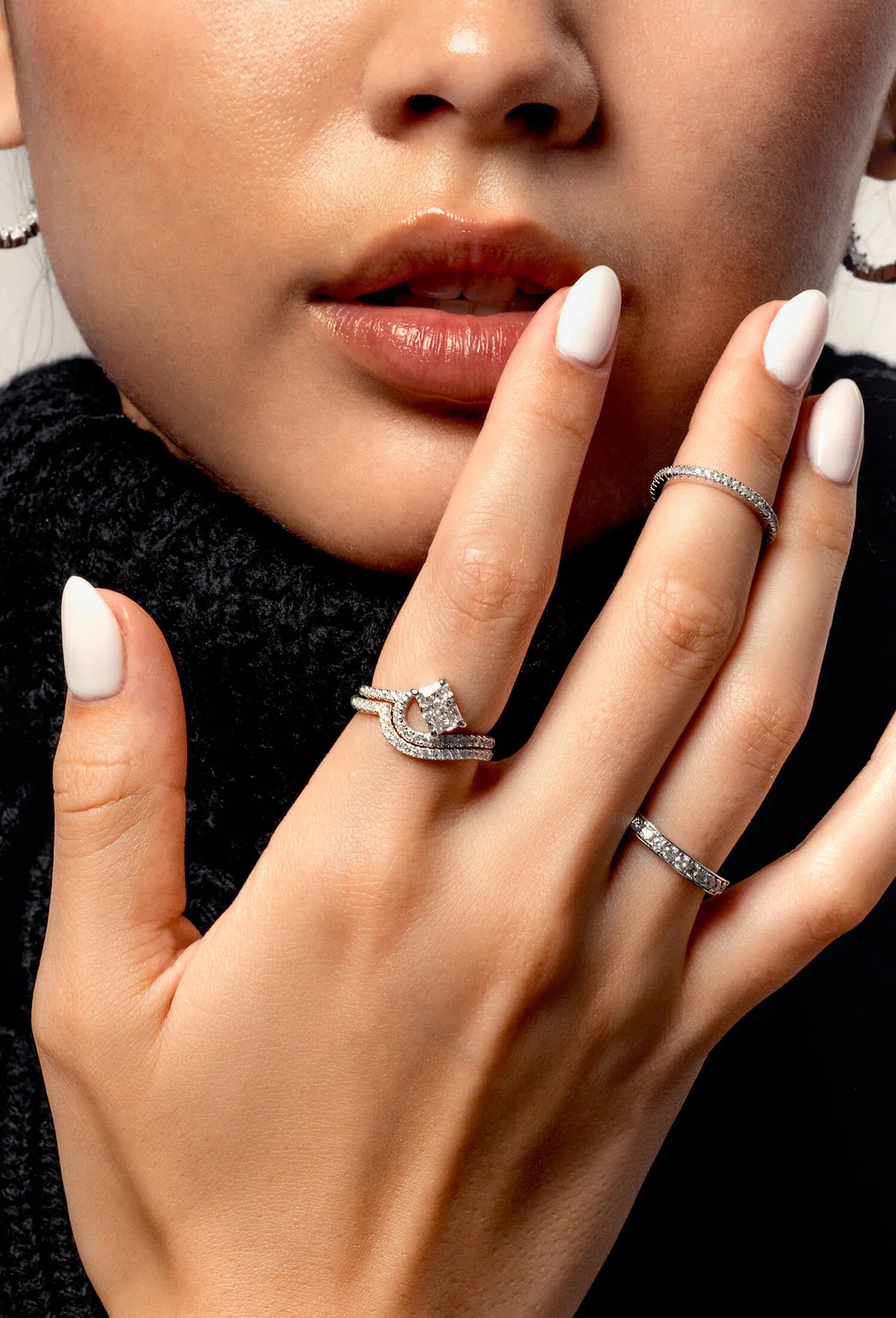
Rings are especially good at becoming part of this kind of unconscious routine. Because they're tactile, you notice them throughout the day in small ways, adjusting one absentmindedly, feeling it there when your hands are busy. That subtle awareness makes them feel more personal than something you only clock in a reflection.
Most people who wear rings every day settle into a small rotation they rarely change. It reduces decision fatigue and creates a kind of quiet visual consistency that feels effortless rather than considered.
The influence of modern lifestyles
Flexible working, more frequent travel, less rigidly structured days - all of this has pushed people towards jewellery that can keep up without needing special treatment. If something requires careful handling or has to come off for various activities, it quickly becomes more trouble than it's worth.
Pieces designed for continuous wear tend to avoid delicate settings or anything that snarls on fabric. They're built to move between contexts, from the commute to the desk to dinner, without any transition required.
Emotional attachment and continuity
There's a personal dimension to all of this that goes beyond practicality. Rings worn daily often accumulate meaning quietly, over time. They become associated with particular periods, routines, and feelings, even if they were never chosen with any of that in mind.
That attachment builds gradually. Eventually, a ring can feel odd to be without, not because of anything it looks like, but simply because its absence is noticeable. Jewellery stops being an accessory and becomes part of how continuity of self is carried through ordinary life.
Balancing expression and restraint
None of this means everyday jewellery has to be characterless. Expression is still there; it just works differently. A particular texture, an unusual shape, a finish that interestingly catches the light. Small things that add up without complicating.
Some people layer several rings; others stick to one. Both approaches work. The thread running through both is restraint, jewellery that adds something without taking over.
Final thoughts
The growing interest in rings designed for everyday life reflects something broader about how people relate to what they wear. Less about occasion, more about continuity. Less about statement, more about fit, in every sense.
As daily life stays varied and unpredictable, the appeal of jewellery that simply lives alongside you, rather than requiring careful placement within an outfit, is unlikely to fade.



After selling out its first show of 2026, Bitches in Stitches London returns to Hoxton Cabin on the 13th of March to celebrate International Women’s Month — with prizes from fellow feminist brands up for grabs.
Launched in London last year, the feminist stand-up collective champions inclusivity by creating safe, high-energy spaces for non-male comics and comedy lovers worldwide.
“We want to give as many femme comics the opportunity to perform in a space where everyone’s safe to show up as themselves and laugh their hearts out,” said founder Fran Ayala-Rock. “Bitches in Stitches believes that laughter should be used to connect people, not alienate them.”