
Being a Good Dog Mum Is Simpler Than Social Media Would Have You Believe
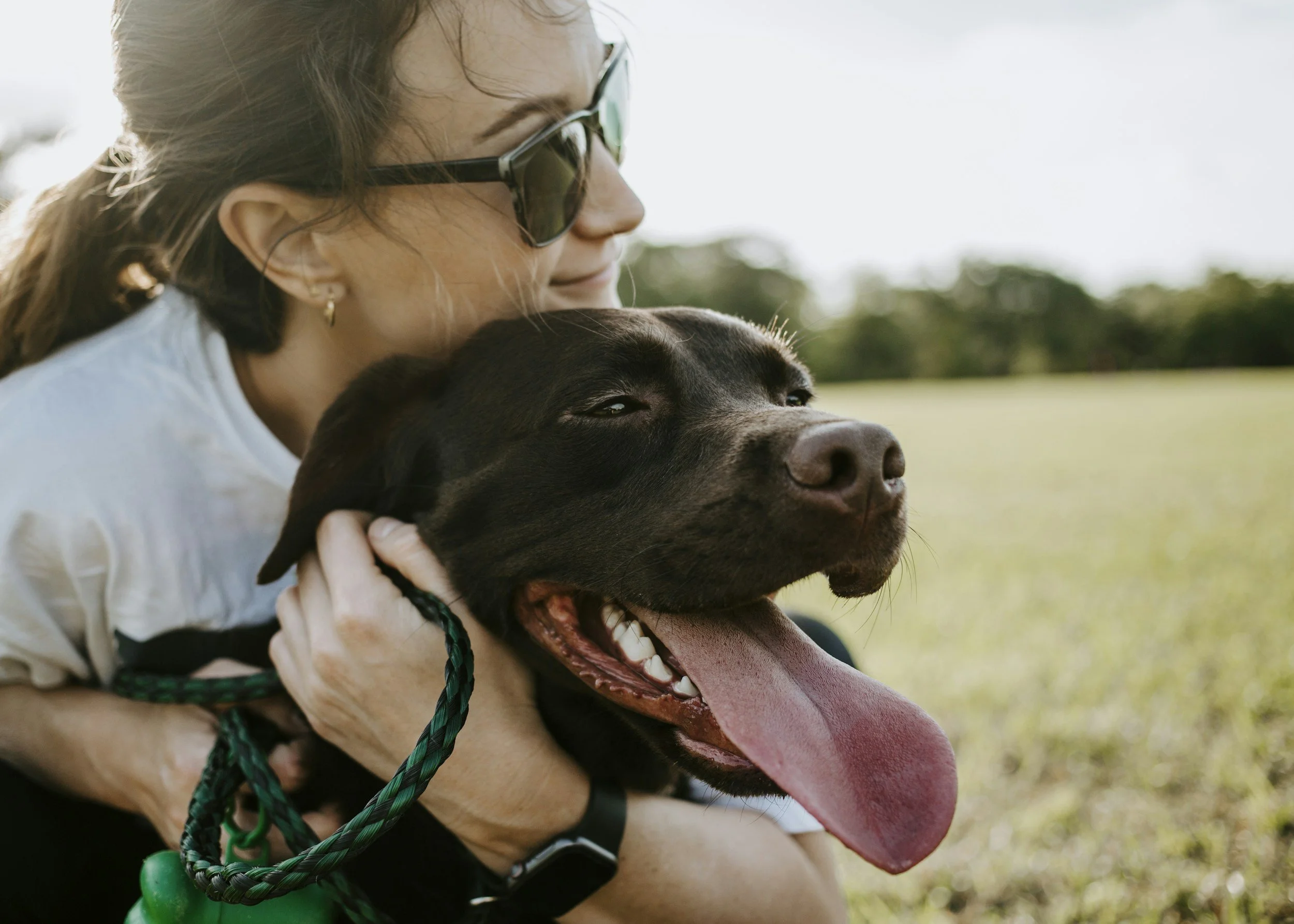
Spend a few minutes on a dog-focused social media feed and your responsibilities can start to look endless. Homemade meal plans, enrichment schedules, supplements, grooming systems, training advice, health warnings, and debates over almost every choice can turn ordinary pet care into a demanding standard.
It's easy to confuse doing everything with caring well. Dog-parenting guilt is common enough to have attracted research attention. In a 2022 survey of 592 primary dog caregivers in the United States, women scored higher on a dog-parenting guilt scale than men (Kogan et al., 2022). The same research linked greater guilt with a wider gap between how owners saw themselves and how they pictured an ideal dog owner.
That gap is worth remembering when your feed makes someone else's routine look like the minimum. Good care can be much simpler. Your dog needs consistent attention to their health, comfort, routine, behaviour, and individual needs. You don't need to copy every practice you see online.
Start With Your Own Dog
A post about another dog can't tell you what your dog eats comfortably, how much exercise suits their age, what their usual stool looks like, how they behave when tired, or which health concerns their veterinarian is monitoring.
Those everyday observations give you useful information. Pay attention to appetite, bowel habits, energy, mobility, sleep, skin and coat changes, and behaviour. If something changes suddenly, persists, or concerns you, speak with your veterinarian instead of trying to solve the problem through a stream of competing posts.
You can also ignore advice aimed at problems your dog doesn't have. One dog's elaborate feeding routine may be appropriate for their circumstances and unnecessary for yours. The same applies to grooming schedules, enrichment activities, supplements, and exercise plans.
Use Online Advice Selectively
Pet owners already rely heavily on the internet for health information. In a UK survey of 571 pet owners, 78.6% named the internet as a source of pet-health information, and diet and nutrition were among the subjects they searched for most often (Kogan et al., 2018).
Social media can add another layer of opinions. In a later survey, 56.2% of dog owners said they received pet-health information through Facebook groups, while 55% said they gave it. Gastrointestinal concerns were among the common dog-health subjects discussed. Most respondents, however, didn't regard Facebook groups as trustworthy sources of pet-health information (Kogan et al., 2021).
Reading another owner's experience can still be useful. Treat it as a starting point for a question rather than a standard you must follow. Your dog's needs, credible health information, and veterinary guidance give you a firmer basis for deciding what belongs in their routine.
Add Extra Care for a Clear Reason
Food, fresh water, exercise, preventive veterinary care, grooming, rest, attention, and a safe environment already cover much of everyday dog care. Beyond those basics, extra products and routines make the most sense when they respond to something your dog genuinely needs.
Digestive health is a good example. Some dogs may occasionally need extra support because of changes in diet, sensitive stomachs, or recurring digestive discomfort. Signs such as loose stools, frequent gas, vomiting, or appetite changes are worth paying attention to, while persistent or severe symptoms may require veterinary assessment.
Once you understand what's going on, you can decide what support is appropriate. That may involve adjusting your dog’s diet, following your veterinarian’s recommendations, or adding a digestive supplement to their routine. Pup Labs, for example, makes K9 Belly Bliss, one of its stomach supplements for dogs, for daily digestive support.
The same approach works for other parts of dog care. A supplement, grooming product, training tool, or enrichment activity should have a clear purpose in your dog’s routine. You don't need to add something simply because other owners use it.
Keep the Basics Consistent
Novelty gets plenty of attention on social media. Much of dog care depends on repetition.
Predictable meals, suitable exercise, preventive veterinary care, dental care, grooming, rest, and attention may look ordinary, but they give your dog a dependable routine. Consistency also makes changes easier to notice. Familiarity with your dog's usual appetite, bathroom habits, energy level, and temperament gives you a point of comparison when something seems different.
You don't need an elaborate tracking system unless one genuinely helps you. A simple note on your phone can be enough if you need to record symptoms, medication, feeding changes, or questions for your veterinarian.
Make Space for Your Own Needs
The pressure to be an ideal dog mum can spill into the rest of your day. In the 2022 dog-guilt survey, around 40% of respondents said guilt about their dog had led them to avoid social gatherings that meant leaving their pet at home (Kogan et al., 2022).
Caring deeply for your dog doesn't require organising your entire identity around pet care. You can work, spend time with friends, travel, pursue hobbies, and still care responsibly for your dog. Arranging suitable care during an absence is part of responsible ownership.
It also helps to separate a genuine responsibility from a comparison-driven feeling. Missing veterinary care or ignoring persistent symptoms calls for action. Feeling inadequate because another woman prepares an elaborate enrichment schedule every morning tells you very little about your own dog's welfare.
Good Dog Care Can Stay Simple
A good dog mum pays attention, meets her dog's needs consistently, asks for professional help when something is wrong, and makes health decisions with care. She doesn't need to perform devotion for an audience or collect every recommendation that appears on her feed.
Use your dog's daily routine as your reference point. Learn what is normal for them, keep the essentials steady, investigate meaningful changes, and add extra support when there's a sensible reason. Good care can be thoughtful without becoming all-consuming.
References
Kogan, L. R., Bussolari, C., Currin-McCulloch, J., Packman, W., & Erdman, P. (2022). Disenfranchised guilt: Pet owners' burden. Animals, 12(13), 1690.
Kogan, L. R., Oxley, J. A., Hellyer, P., Schoenfeld, R., & Rishniw, M. (2018). UK pet owners' use of the internet for online pet health information. Veterinary Record, 182(21), 601.
Kogan, L. R., Little, S., & Oxley, J. A. (2021). Dog and cat owners' use of online Facebook groups for pet health information. Health Information & Libraries Journal, 38(3), 203–223.



Why can't we stop following celebrity and influencer breakups? Discover the psychology behind online breakup obsession, parasocial relationships, gossip, schadenfreude and doomscrolling.