
From Classroom to Console: 4 Mobile Gaming Myths Women Are Breaking
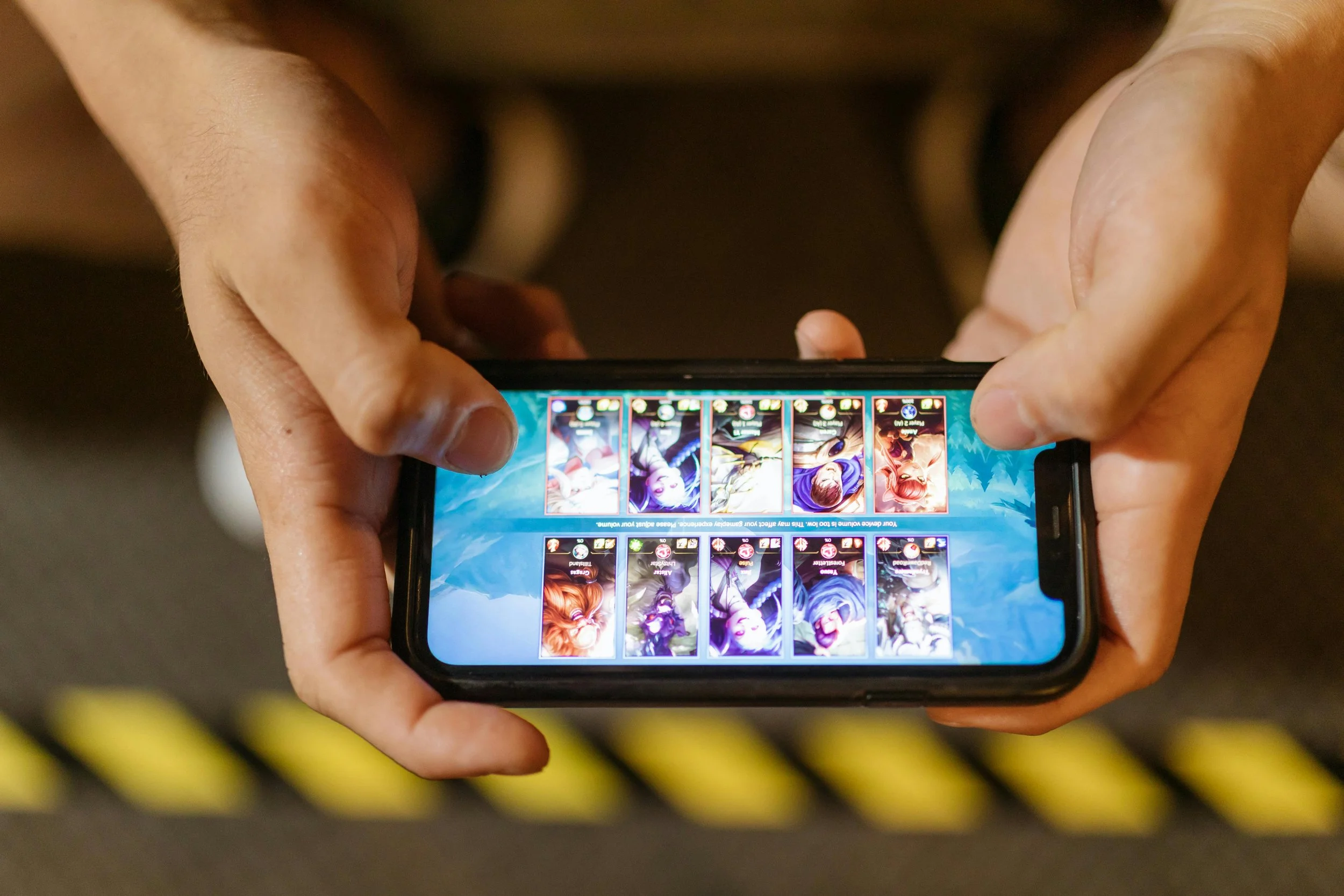
Image source: RDNE Stock project
If you picture a typical gamer, the first thing that pops into your head is probably a teenage boy in a dark room with LED lights from the computer and a headset on.
Sure, some gamers fit that stereotype. But if you look at any leaderboard or open any top-ranked mobile app, you’d be surprised to see that the reality is quite different.
Today’s gamer might just as easily be a woman balancing lectures, deadlines, and competitive mobile matches, all from her phone. In fact, recent data shows that women now account for nearly half of the gaming population (45%) when mobile gaming is included.
In this article, we’ll break down the biggest myths surrounding women in mobile gaming and explore how this demographic is changing the industry from the inside out.
Myth #1: “Gaming Is Still a Boys’ Club”
Years of gaming have framed the hobby as a male-dominated space. Marketing campaigns and broadcasts reinforce the same image of young men at the centre, while everyone else is at the margins.
However, participation tells a different story. With more women taking up space in the gaming industry, the visibility is definitely shifting.
For example, female streamers are building loyal audiences across platforms like Twitch and YouTube. Additionally, women-led teams are entering competitive circuits in popular mobile titles.
Access to reliable devices, whether smartphones or reliable computer solutions for modern learning environments, has also made digital participation more inclusive than ever before. And as entry costs dropped, so did many of the social gatekeeping mechanisms tied to traditional gaming spaces.
Myth #2: “Women Only Play Casual Games”
There’s a common misconception that women who play games only gravitate towards puzzles, farming simulators, or dress-up games. Many think that “serious” genres like strategy, RPGs, and shooters belong to men.
This misconception paints women as casual players, but genre behaviour tells a different story. Women nowadays are actively participating and ranking in various competitive multiplayer environments.
Games that demand mechanical precision, like Mobile Legends: Bang Bang or PUBG Mobile, have significant female player bases. Even in massively multiplayer strategy environments like Clash of Clans or Genshin Impact, women are producing high-level gameplay content.
Beyond competition, this also echoes discussions on why women need hobbies that aren’t measured by productivity. Gaming can exist purely for engagement and joy, without needing to prove its value through output.
Myth #3: “Women Aren’t Competitive Gamers”
Another lingering assumption suggests that women may enjoy gaming, but not competition. The myth assumes that high-stakes ranked matches, tournament brackets, and esports stages are still male territory.
Reality tells a different story, though. Nowadays, women are actively participating in ranked ladders across competitive mobile titles. They also compete in both mixed-gender and women-focused tournaments, where they build reputations not as “female players,” but as skilled competitors.
The myth exists partly because women typically express competitiveness differently. Research in performance psychology shows that competition and collaboration often go hand in hand.
Many women-led teams prioritise communication, strategy, and cohesion alongside mechanical skill. This results not in softer play, but smarter competition where adaptability and teamwork matter just as much as reaction speed.
Myth #4: “Women Aren’t Influencing the Gaming Industry”
The idea that women are merely consumers within gaming has become more outdated. While early industry leadership skewed heavily male, women today are shaping how games are built and marketed.
For example, organisations like Women in Games advocate for greater representation in development and leadership. Additionally, women-led studios and indie creators are launching mobile titles that prioritise inclusive narratives and character depth.
One of the most compelling influences women have on gaming today is in character design and storytelling. Research consistently shows that female characters in video games have been overtly sexualized and marginalised.
As the player base becomes more diverse, so do protagonists, avatars, and narrative arcs. Games are increasingly moving beyond hypersexualised or one-dimensional female characters toward more complex representations. It’s a shift that reflects market demand and creative input from women inside development teams.
The Bottom Line
Although the image of the “typical gamer” hasn’t disappeared, it surely has changed over the years.
Nowadays, more women are rising and shaping the very games they play. Mobile gaming also quietly rewrote the rules by creating a space for a more diverse generation of players to thrive.
The myths discussed above are slowly fading because reality no longer supports them. From classroom to console, women aren’t just part of the game. They’re helping define its future.
_
Chatty Garrate is a freelance writer from Manila. She finds joy in inspiring and educating others through writing. That's why, aside from her job as a language evaluator for local and international students, she spends her leisure time writing about various topics such as lifestyle, technology, and business.


A heartfelt inspirational poem about an angel bringing hope, creativity, love, and belonging to weary souls, reminding you that your light still shines.