
Breaking the Stigma Around Eating Disorders and Seeking Help
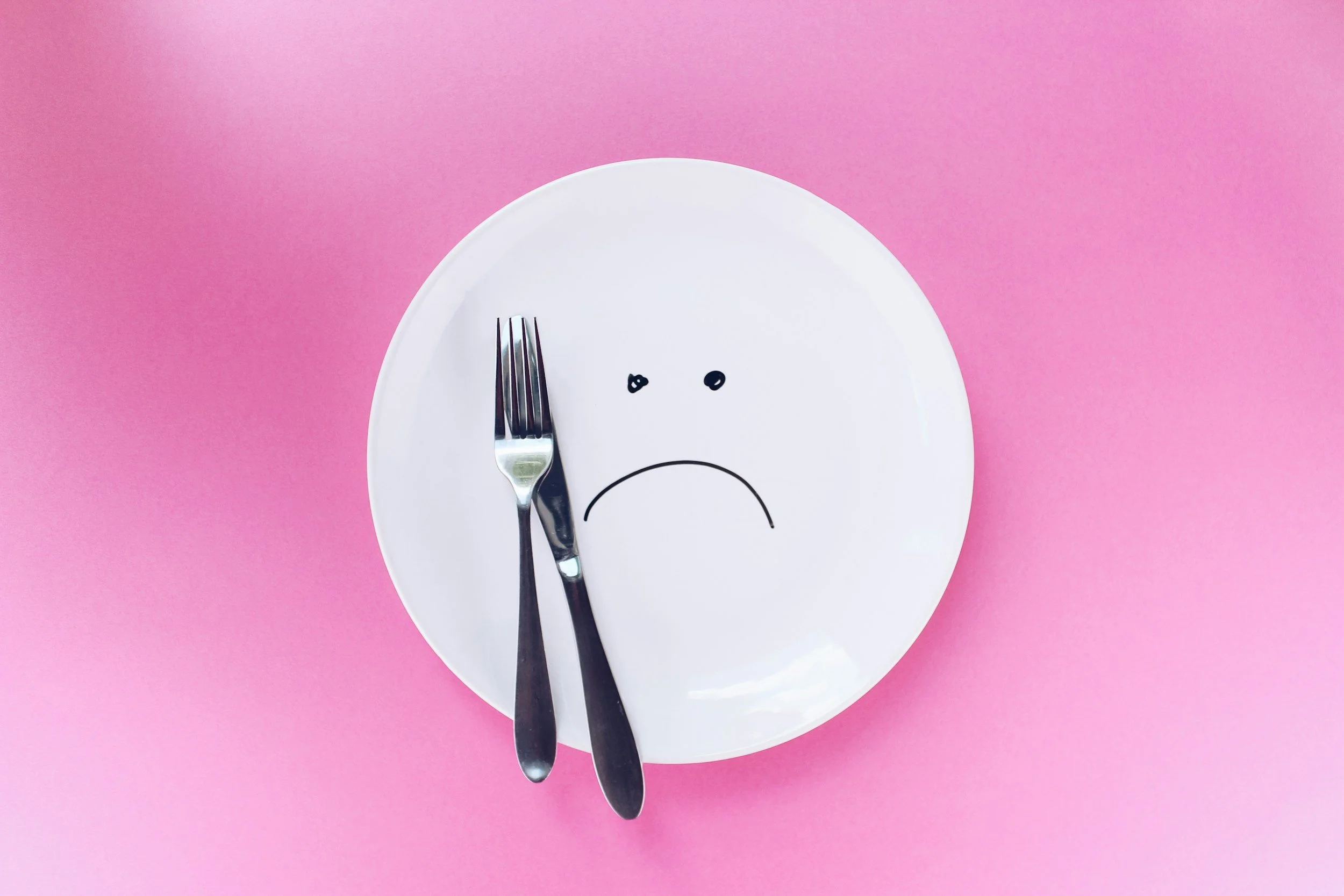
Eating disorders are some of the most misunderstood mental health conditions out there. They're often whispered about, brushed aside, or boiled down to a few harmful clichés. Yet they affect millions of people across the world, people of every gender, age, background and body type. The silence surrounding them can be just as damaging as the conditions themselves, because shame keeps people from reaching out when they need support the most.
If you've ever felt embarrassed about your relationship with food, or worried that your struggles weren't "serious enough" to deserve help, please know this: you are not alone, and you are absolutely worthy of care. This piece is here to gently unpack the stigma, challenge a few myths, and remind you that asking for help is a sign of strength, not weakness.
Why the stigma exists
Stigma thrives on misunderstanding. For decades, eating disorders have been wrapped up in lazy stereotypes, the idea that they only affect young, white, affluent women, or that they're simply about vanity and wanting to look a certain way. None of that captures the truth.
Eating disorders are complex mental illnesses, often tangled up with anxiety, trauma, perfectionism and a need for control. They don't discriminate. Men experience them. Older adults experience them. People in larger bodies experience them, often going undiagnosed because they don't fit the "typical" picture in someone's head.
These myths do real harm. When society treats an eating disorder as a lifestyle choice or a phase, it tells those who are suffering that their pain isn't valid. And that message can stop someone from speaking up for years.
The cost of staying silent
Shame is a powerful thing. It convinces people to hide their struggles, to pretend everything is fine, to soldier on in private. But eating disorders rarely improve on their own, and the longer they go untreated, the more deeply they can take hold.
There's also a dangerous belief that you have to be at a certain weight, or "sick enough", before you're allowed to seek support. This isn't true. You don't need to hit some imaginary rock bottom to deserve help. Recognising that something feels wrong is reason enough to reach out.
Breaking the silence can feel terrifying. Saying the words out loud makes things real. But it's also the first step towards getting your life back, and you don't have to take that step alone.
What seeking help can look like
Reaching out doesn't have to mean walking straight into a clinic. It can start small. Maybe it's confiding in a trusted friend, telling a family member, or booking a single appointment with your GP. Each of these is a brave and meaningful move.
From there, professional support can take many forms. Eating disorder treatment is rarely one-size-fits-all, and a good care team will tailor their approach to you as an individual. This might include:
Talking therapies, such as cognitive behavioural therapy (CBT), which helps challenge unhelpful thoughts and behaviours.
Nutritional support from a dietitian who understands disordered eating.
Medical monitoring to keep an eye on your physical health.
Specialist programmes such as Day Care or Outpatient treatment are designed around specific conditions and needs.
Recovery isn't a straight line. There will be good days and harder ones. But with the right support, healing is genuinely possible, and so many people go on to build full, joyful lives on the other side.
How we can all help break the stigma
Tackling stigma isn't only the job of those who are struggling. It's something we can all play a part in, through small shifts in how we speak and listen.
Be mindful of the language you use. Throwaway comments about diets, "good" and "bad" foods, or other people's bodies can land harder than you'd expect. Try to create spaces where food and weight aren't constant topics of judgement.
If someone trusts you enough to open up, listen without trying to fix everything. You don't need the perfect words. Often, simply saying "thank you for telling me" and "how can I support you?" means more than any advice ever could.
And challenge those tired stereotypes when you hear them. Every time we push back against a myth, we make it a little easier for someone else to come forward.
You deserve support
If you take one thing from this piece, let it be this: your struggles are valid, and help is out there. Eating disorders flourish in silence and shame, but they lose their grip when we bring them into the light.
Whether you're worried about yourself or someone you love, please don't wait for things to get "bad enough". Talk to your GP, reach out to a specialist organisation like Beat, or confide in someone you trust. Recovery starts with a single, brave conversation, and there are people ready to walk alongside you every step of the way.
You are so much more than your eating disorder. And you deserve a life that feels free.


If you’re looking for a new podcast to check out, don’t worry we have you covered. Here are five podcasts we think you should check out right away.