
Don’t Love Your Engagement Ring? How to Say It
You’ve said yes, hugged everyone and shown the ring to people who are delighted for you. Now you’re looking at it in the kitchen, wondering why it feels so unlike something you’d choose.
That’s an awkward thing to admit, even to yourself. Especially after so many people have told you how beautiful it is. But disliking a piece of jewellery doesn’t cancel your happiness about the engagement. You can be thrilled about getting married and still want to talk about the ring.
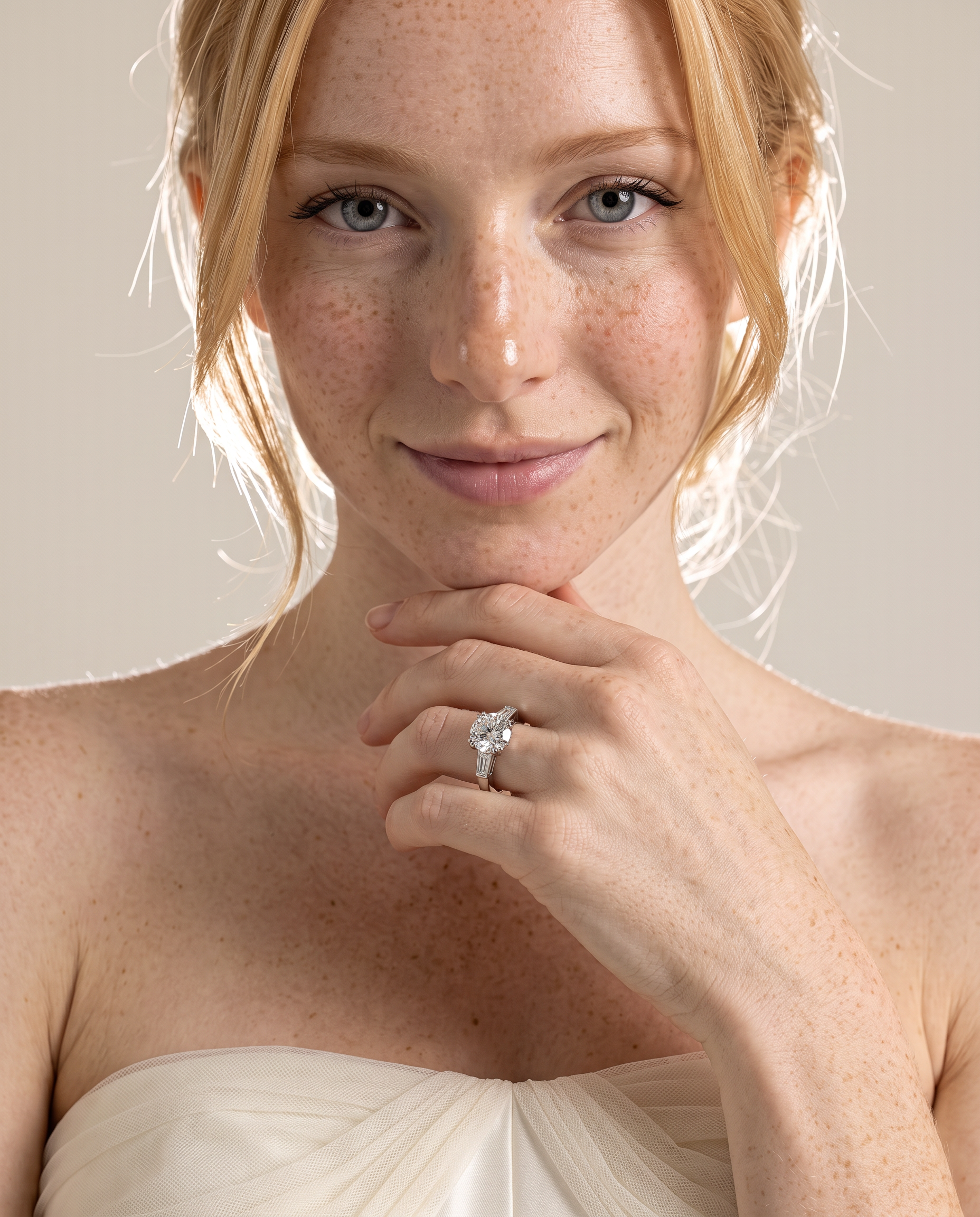
Put a name to what feels wrong
Try to get beyond “It’s not me”. Perhaps the band feels too wide, or you’d always imagined a coloured stone. Maybe it catches on the coat you wear every day. It helps to be able to point to the part that bothers you.
A picture can help if colour is what you’re missing. Showing a pink oval cut sapphire from Lily Arkwright’s lab-grown pink sapphire ring collection, for example, lets you say, “It’s this sort of pink I like.” That explains a preference without asking your partner to order the ring in the picture.
Talk to your partner before the group chat
If you need to talk it through with a friend you trust first, do. Sometimes it takes saying something out loud to work out what you mean. Just think twice before making it a group vote on whether your partner got it wrong. You’re the one who will wear it.
Find a quiet moment when neither of you is halfway out of the door. A little warning helps when you’re preparing for a difficult conversation: say you’d like to talk about the ring. Give your partner that chance before booking an appointment to change it.
Be kind without making your point disappear
You don’t need an elaborate speech, or ten apologies before you get to the subject. You could say:
“I’m so happy we’re engaged. I’ve realised the ring’s style doesn’t feel quite like me. Could we talk about what might work better and look at the options together?”
Or be more specific: “I love the stone, but the band doesn’t feel comfortable.” If that’s the issue, say so. Your partner shouldn’t have to guess whether you want a small adjustment or a completely different design.
Your partner may feel hurt. Perhaps they spent ages choosing it, or there’s a reason behind a detail you haven’t understood. Let them explain. You can appreciate that story and still prefer another design. If you’re both getting upset, take a break and agree when you’ll come back to it.
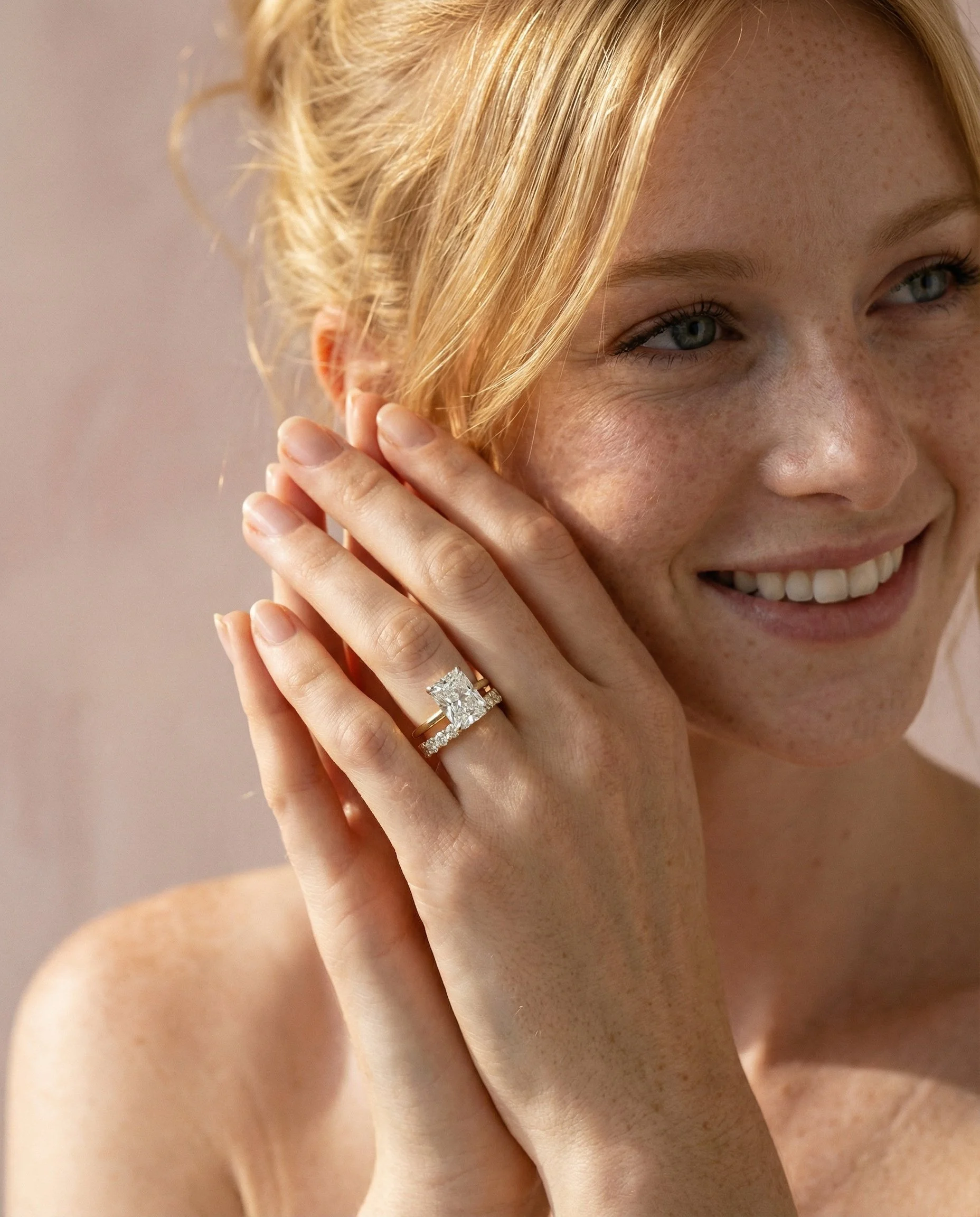
Find out what can actually change
Before promising each other an easy swap, check the terms for that order. UK guidance on returns treats changing your mind differently from receiving a faulty or misdescribed item. For a change of mind, how the ring was bought and any personalisation matter. A shop’s policy can’t take away statutory rights.
Ask whoever bought the ring to contact the jeweller promptly. While you’re checking, avoid further wear, engraving or alterations that could affect a change-of-mind return. Put the box and paperwork somewhere safe.
If you like most of the ring, ask the jeweller what changing the troublesome detail would involve and cost. Something that looks like a tiny alteration may turn out to be a bigger job.
With an inherited ring, there’s a family story to consider as well. You might love having it but prefer to wear it for particular occasions. Or you might want to discuss a change. Talk that through before anyone takes it to a workshop.
Be clear about money, too. “Different” needn’t mean “more expensive”. Work out what you’d both be comfortable spending before either of you promises a change.
Give the conversation somewhere to go
You might leave the conversation with a plan to call the jeweller, or just an agreement to look at a few alternatives together. That’s enough for now. You don’t need to finish the evening with a new ring picked out.
The ring is going to sit on your hand. Your voice belongs in the decision. An awkward conversation now is worth more than years of rehearsing “I love it” when you wish you had said something else.

Why can't we stop following celebrity and influencer breakups? Discover the psychology behind online breakup obsession, parasocial relationships, gossip, schadenfreude and doomscrolling.