
The Rise of Slow Travel: Why More People Are Choosing Cruises Over Traditional Holidays
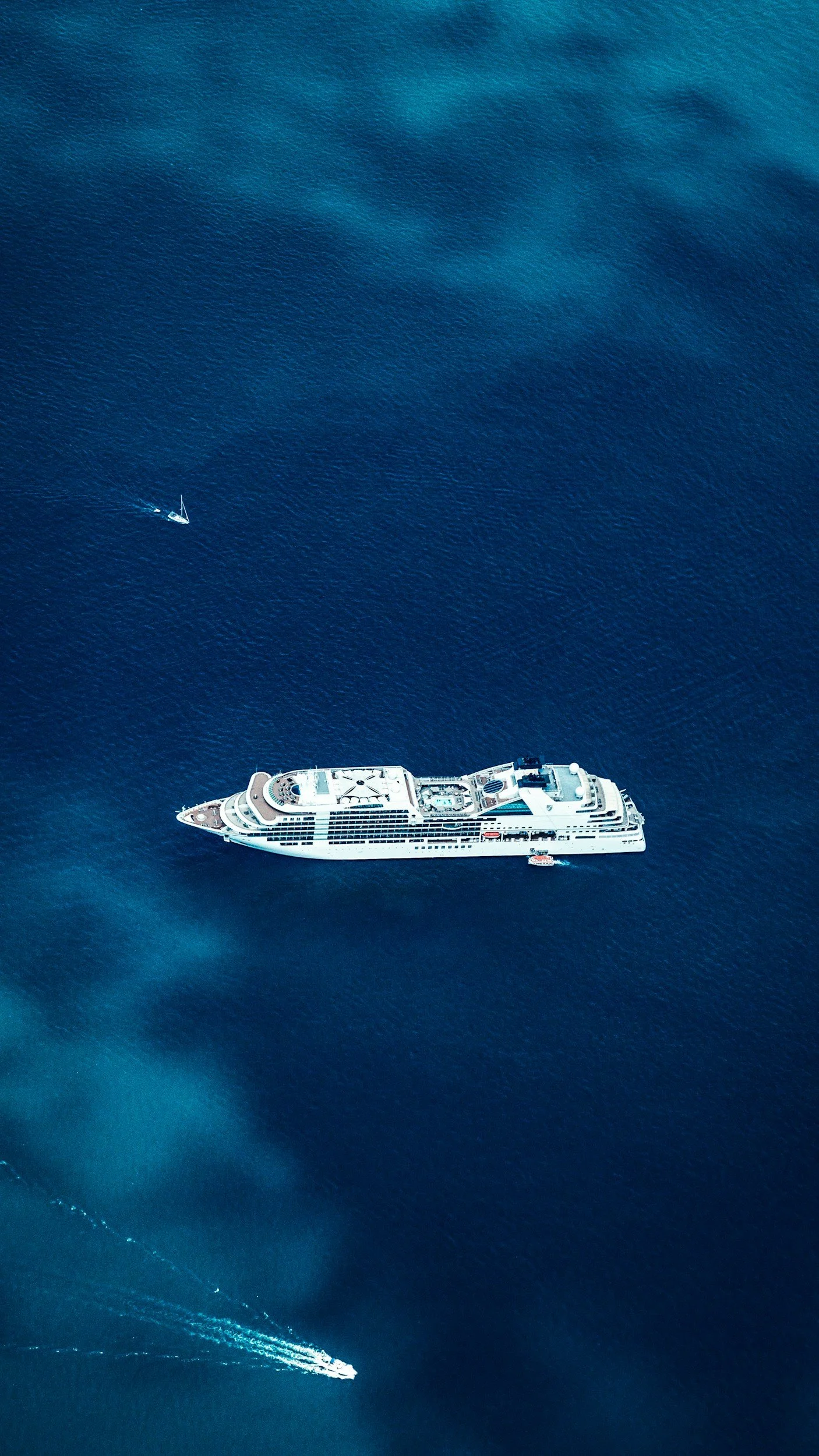
Holidays used to mean cramming in as much as possible. Now, more and more people seem to want the opposite. Instead of racing between sights and living out of a suitcase for a fortnight, travellers are choosing to ease off the accelerator. Slow travel emphasises the experience itself, on noticing things, on letting a place unfold slowly rather than sprinting through it.
Cruises have become part of that story. They offer a way to see several destinations while keeping a sense of calm running through the whole trip. If the idea of a spontaneous getaway appeals to you, it's worth browsing last-minute cruise deals, which can turn a passing thought into an actual holiday without weeks of planning first.
Stepping Away from the Rush
Anyone who has done a whirlwind city-hopping trip knows the feeling: exhausted before the holiday's even over, having seen everything and experienced very little. There's nothing wrong with an ambitious itinerary, but plenty of people are starting to question whether it's really the best way to travel.
Slow travel is about the quieter parts of a trip. An unhurried coffee somewhere unfamiliar. A wander down streets with no particular destination in mind. A sunset you weren't rushing to catch but happened to see anyway. It's less concerned with how many boxes get ticked and more concerned with what actually stays with you.
A cruise lends itself to this naturally. The travelling stops being a means to an end and becomes part of the enjoyment, with the scenery changing gradually as you move from one place to the next rather than disappearing in a blur through a train or car window.
Discovering More, Packing Less
A big part of the appeal is being able to see different places without the usual palaver of constant repacking. Multi-stop trips can turn into a cycle of suitcases, transfers and hotel check-ins, which has a way of chipping away at the enjoyment.
A cruise offers something different. You settle in once, then simply wake up somewhere new. One morning it's a small coastal town, the next it might be somewhere steeped in history, or a bustling local market, or a beach that looks nothing like the one before it.
That's really the trick of it: plenty of variety, without the fatigue that usually comes with it. There's still room for adventure, but there's also room to just take it easy.
Finding Something More Meaningful
Going slower isn't just about the pace; it's about actually connecting with a place rather than skimming its surface. Many travellers now care less about famous landmarks and more about experiences that feel real.
That might mean sampling a dish that's specific to the region, picking up a bit of local history, or simply paying attention to why a place looks the way it does. Even the briefest stop can feel worthwhile if you approach it with a bit of curiosity.
Cruise itineraries often stitch together a handful of different cultures in one go. Mediterranean towns, historic cities, island villages, quiet coastal stretches; each one gives a small window into a different way of living, however short the visit.
Why a Slower Trip Feels Less Stressful
There's also a simpler reason behind all this: planning a holiday can feel like a job in itself. Flights, hotels, transport, timings, all of it needing to be juggled and organised well in advance.
For people already stretched thin by work or family life, a break is supposed to feel like a break, not another item on the to-do list. Slowing things down means spending less energy on logistics and more on actually enjoying the trip. Having a single, comfortable base to return to each evening makes the whole thing feel far more relaxed.
A Different Sort of Adventure
Slowing down doesn't mean sitting still. If anything, it opens up more chances to discover something unexpected. When you're not fixated on the next stop, you tend to notice details you'd otherwise miss and end up in conversations you wouldn't have had otherwise.
A quiet walk through an old part of town, a chat with someone running a small shop, an unplanned stop somewhere that just looked interesting; these are often the moments people remember long after they've forgotten the "main" attractions.
It also makes for a more personal kind of trip. Some people are drawn to museums and galleries, others to long walks or good food, and a slower pace leaves space for whichever version suits you.
Appealing Across the Generations
This isn't something limited to one type of traveller. Younger people often want genuine experiences and a chance to switch off from constant notifications, while older travellers might simply value the comfort of a more relaxed pace.
Families, couples, friends travelling together, and people going it alone can all find something in a slower approach. It isn't about how much ground gets covered but how much actually gets experienced along the way. For solo travellers in particular, a gentler pace can make things feel more manageable, offering a bit of independence while still keeping some structure in place.
Travelling on Purpose
All of this points to a bigger shift in how people think about holidays. It's no longer just about escaping everyday life for a week; it's about finding something that feels genuinely worth doing.
Cruises tap into that by combining a sense of discovery with real relaxation and the small thrill of arriving somewhere new. There's time to enjoy the movement between places as well as the places themselves.
At its heart, this is about quality over quantity. Slow travel is really just an invitation to pause, take a proper look around, and enjoy the journey as much as wherever it happens to lead.

Discover how financial clarity reduces stress during illness, and why management accounts and specialist accountants for charities support stronger decisions.