
More With Less: Inside Emma Peters' Quiet Revolution at Aleph Beauty
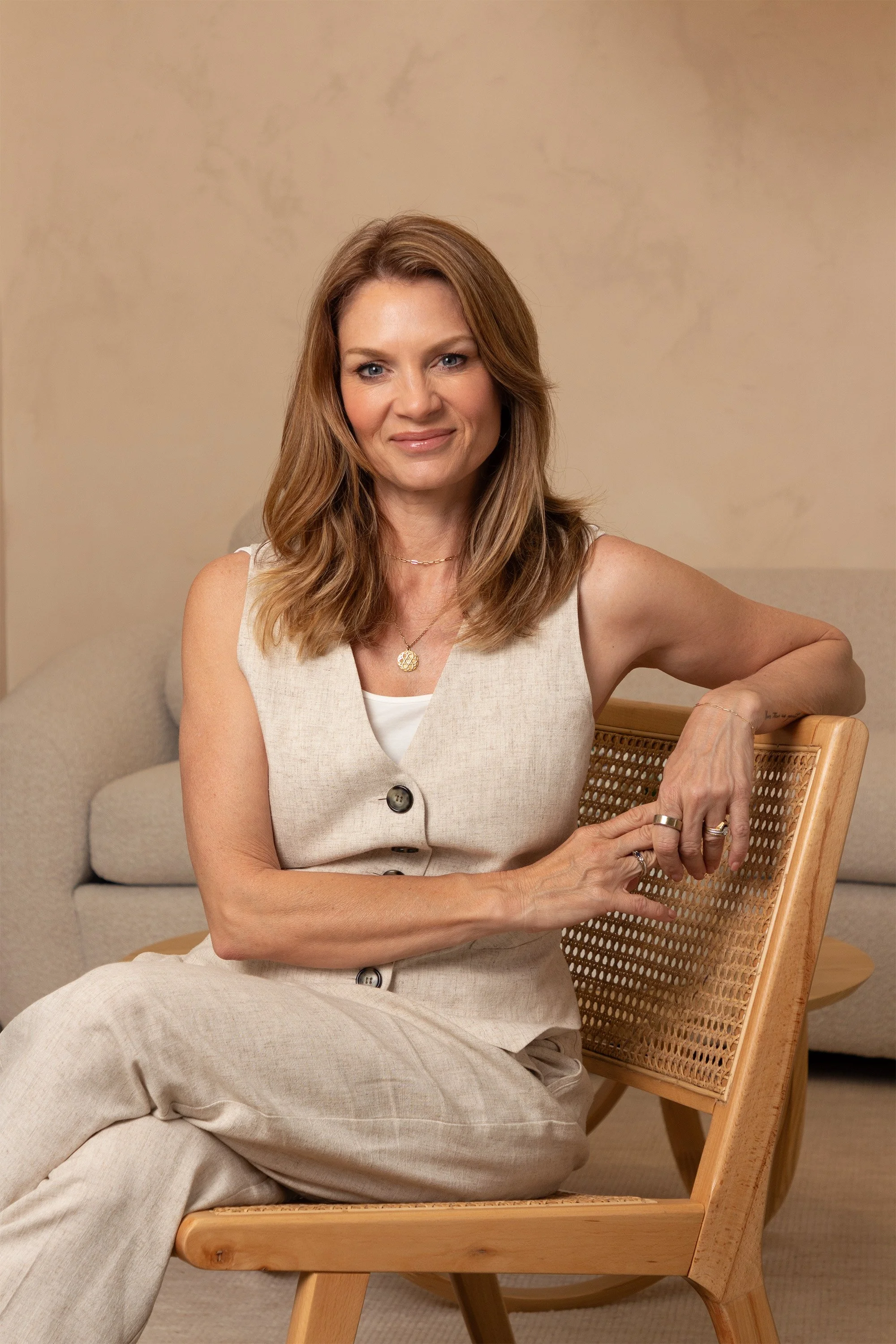
Before there was Aleph, there were nearly three decades of Emma Peters standing behind other women's faces.
A professional makeup artist who had, by her own account, "worked across a wide range of skin types and tones, using products to switch infinite tones and textures." It's the kind of career that teaches you things no lab or business degree can: what makeup actually needs to do once it leaves the counter and meets real, living, changing skin.
It's also, as it turns out, the kind of career that eventually makes you impossible to satisfy with what's already on the market.
"I kept finding myself compromising," Emma tells us. "The products that performed didn't always align with my values, and the products that aligned with my values didn't perform in the way I needed them to." There was no single lightning-bolt moment of clarity, just a slow, undeniable build until she realised she was waiting for someone else to make something she was uniquely qualified to make herself.
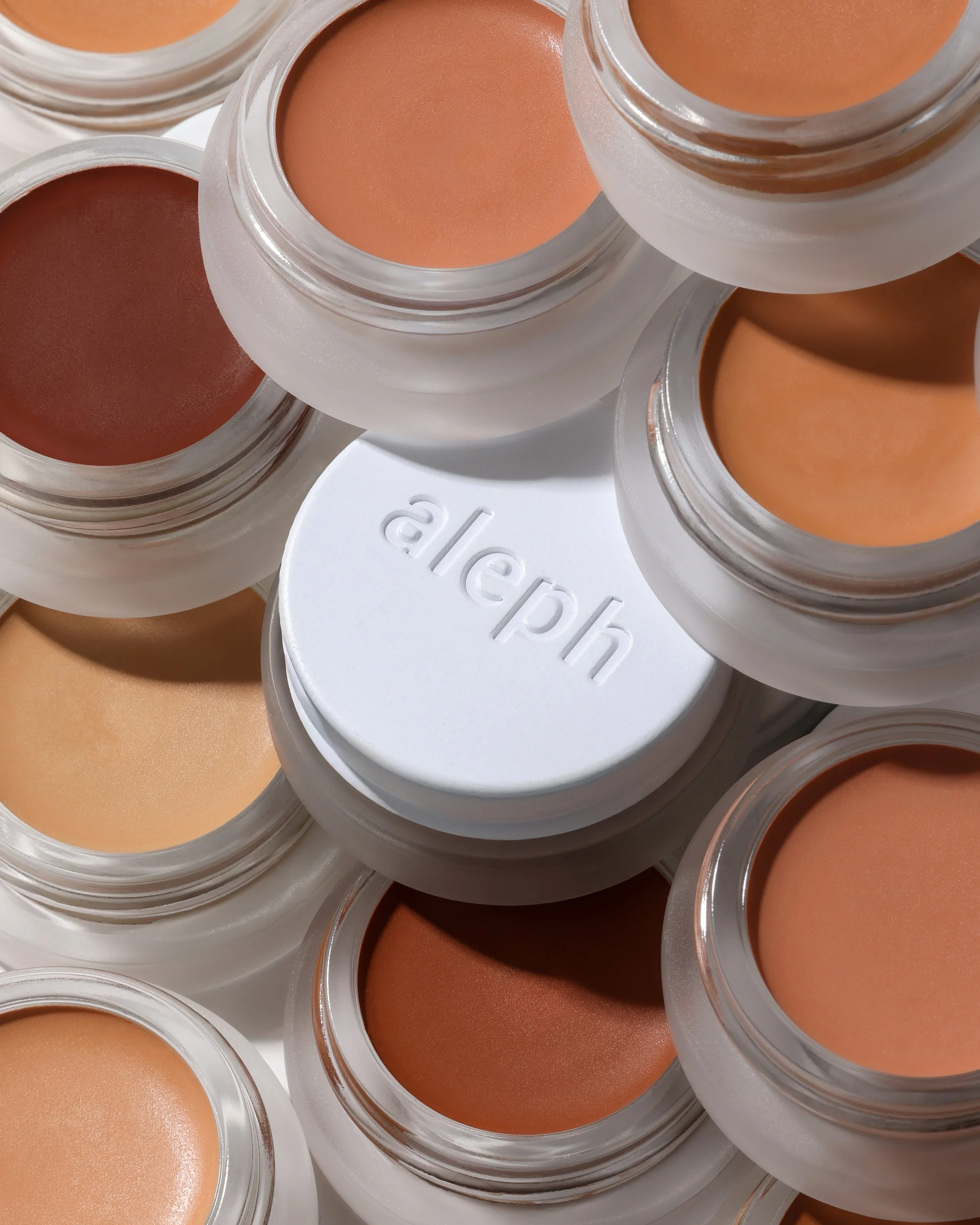
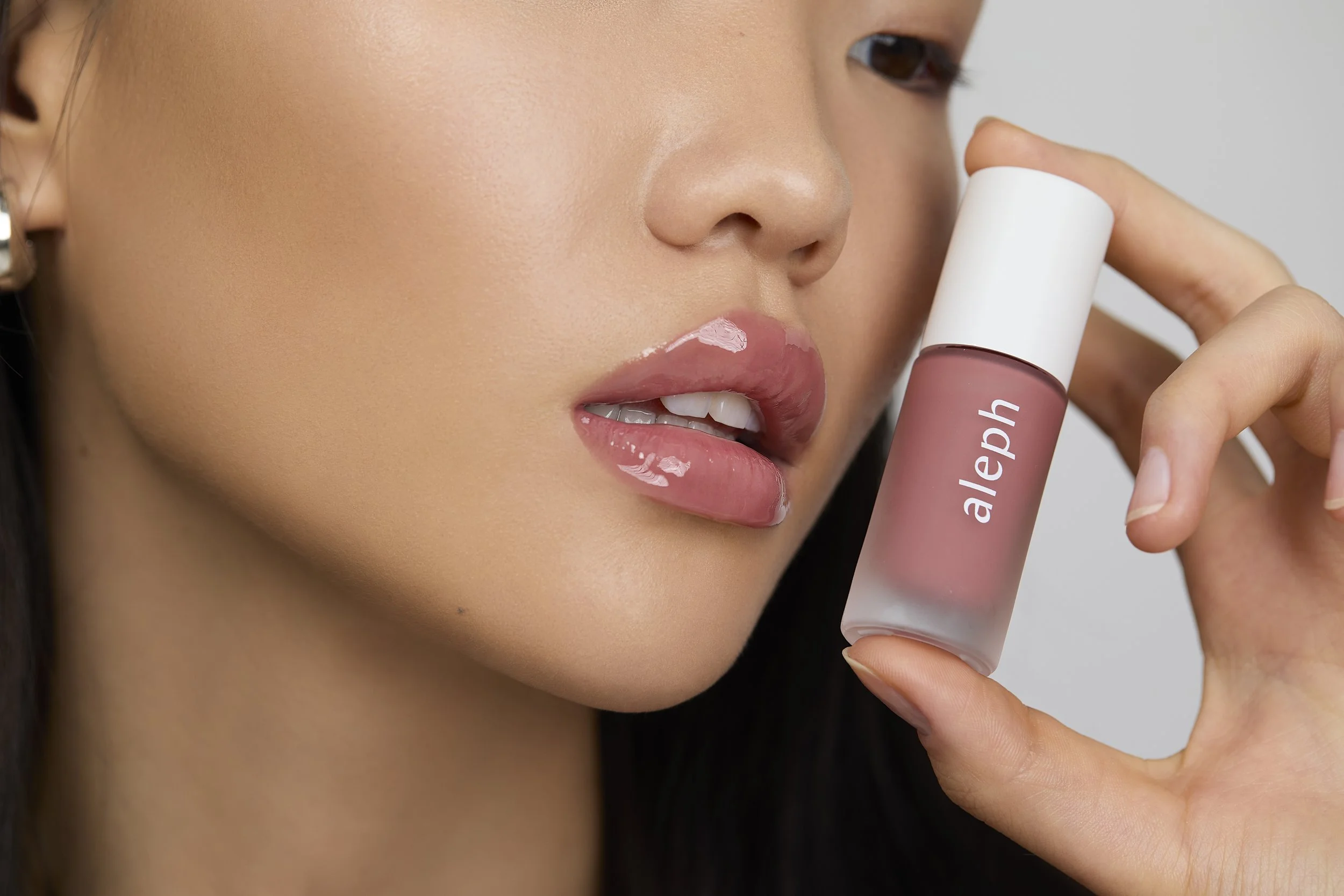
That realisation became Aleph Beauty: clean, conscious, sustainable, and - non-negotiably - beautiful to use.
Beyond the buzzword
"Clean beauty" is a phrase that's been stretched, marketed and diluted almost past usefulness, and Emma is refreshingly candid about that. "I completely understand why people feel exhausted by terms like 'clean beauty,' because before that it was 'natural,' and both have been used so broadly that they can end up meaning everything and nothing."
Rather than abandon the term, though, she reframes it. At Aleph, "clean" isn't a marketing shorthand; it's a starting point. "It should be an invitation to look deeper," she says. That means weighing the whole picture: people, animals, the planet, performance, ingredients, packaging and waste, alongside what's genuinely useful in someone's life.
Her verdict on where the industry needs to head next is quietly radical: "The conversation needs to move away from clean as a label and towards clean as a responsibility."
What the B Corp process actually revealed
Aleph is B Corp certified (no small task for a beauty brand), but Emma is quick to point out that the certification wasn't the origin of her values, just a way to prove them. "I wanted a way to publicly quantify that. I wanted customers to know there was something measurable behind the claims."
The process threw up an unexpected wrinkle, though. Much of the B Corp framework is designed to reward visible transformation - a clear before and after. But Aleph had been built ethically from day one. "There wasn't always a dramatic 'before and after' to point to," she explains. "In some areas, we had to work harder to show that these weren't improvements we had recently adopted, but principles we had embedded from day one."
Minimalism as method, not mood
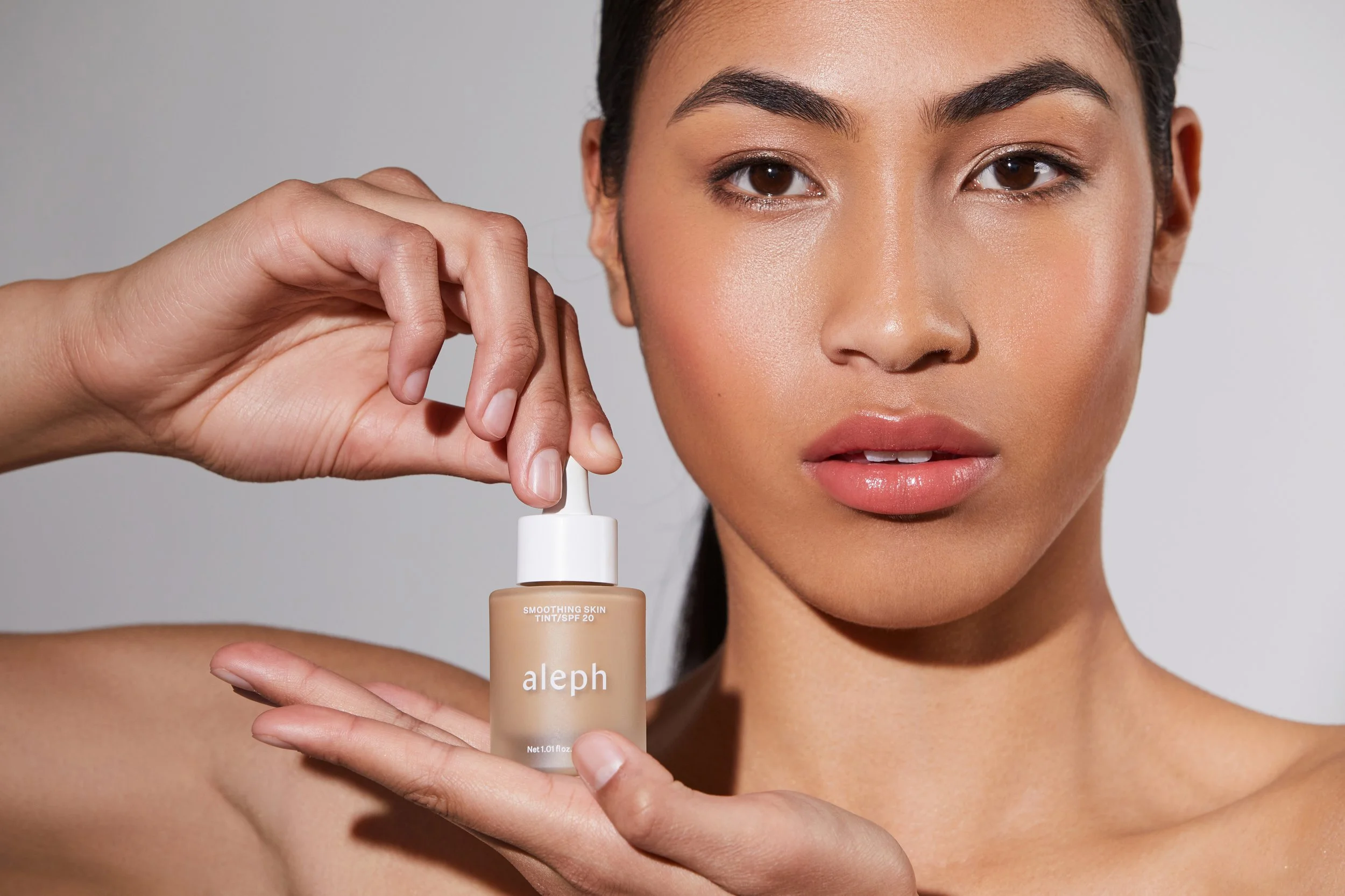
Aleph's aesthetic is considered, unfussy, and Emma is adamant that this isn't a styling choice layered on top of the sustainability story. The two are, in her words, "completely inseparable."
"I've never been interested in minimalism as something cold or sparse," she says. "For me, it's about intention. It's about asking: does this product need to exist? Can it do more than one thing? Can it reduce the need for three or four other products?"
It's a quiet dig at an industry built on more: more steps, more products, more novelty. "Aleph is really about proving that you can have more impact with less. Less noise, less waste, fewer compromises, but still a beautiful experience."
Growth without the sell
So how does a brand built on less stay commercially healthy in an industry that profits from more? For Emma, the answer isn't a paradox to be managed but a different growth model entirely. One built on trust rather than turnover.
"If we are going to make something, it needs to be useful, beautiful, versatile, and considered from every angle," she says. "Commercial viability doesn't have to come from encouraging overconsumption. It can come from trust… because people feel educated rather than sold to."
She's careful not to romanticise this too far. Aleph is still, after all, a business that needs to be financially healthy. But the line she draws is clear: growth should never come from convincing people they're lacking something.
The makeup artist's Eye
Ask Emma what her years on set taught her about formulation, and she doesn't talk about ingredient lists; she talks about skin as something alive. "Skin is not one thing," she says. "It moves, it changes, it has texture, oil, dryness, redness, pigmentation, fine lines, sensitivity — and sometimes all at once."
That hands-on knowledge meant formulating backwards from the lived experience of wearing the product; how it blends, how it wears across a day, how it behaves under real fingers rather than in a pristine lab sample. Her message to formulators everywhere: "Makeup is not experienced on a flat surface. It is worn on living, changing skin by real people who don't want to fight with their products."
Redefining female leadership in beauty
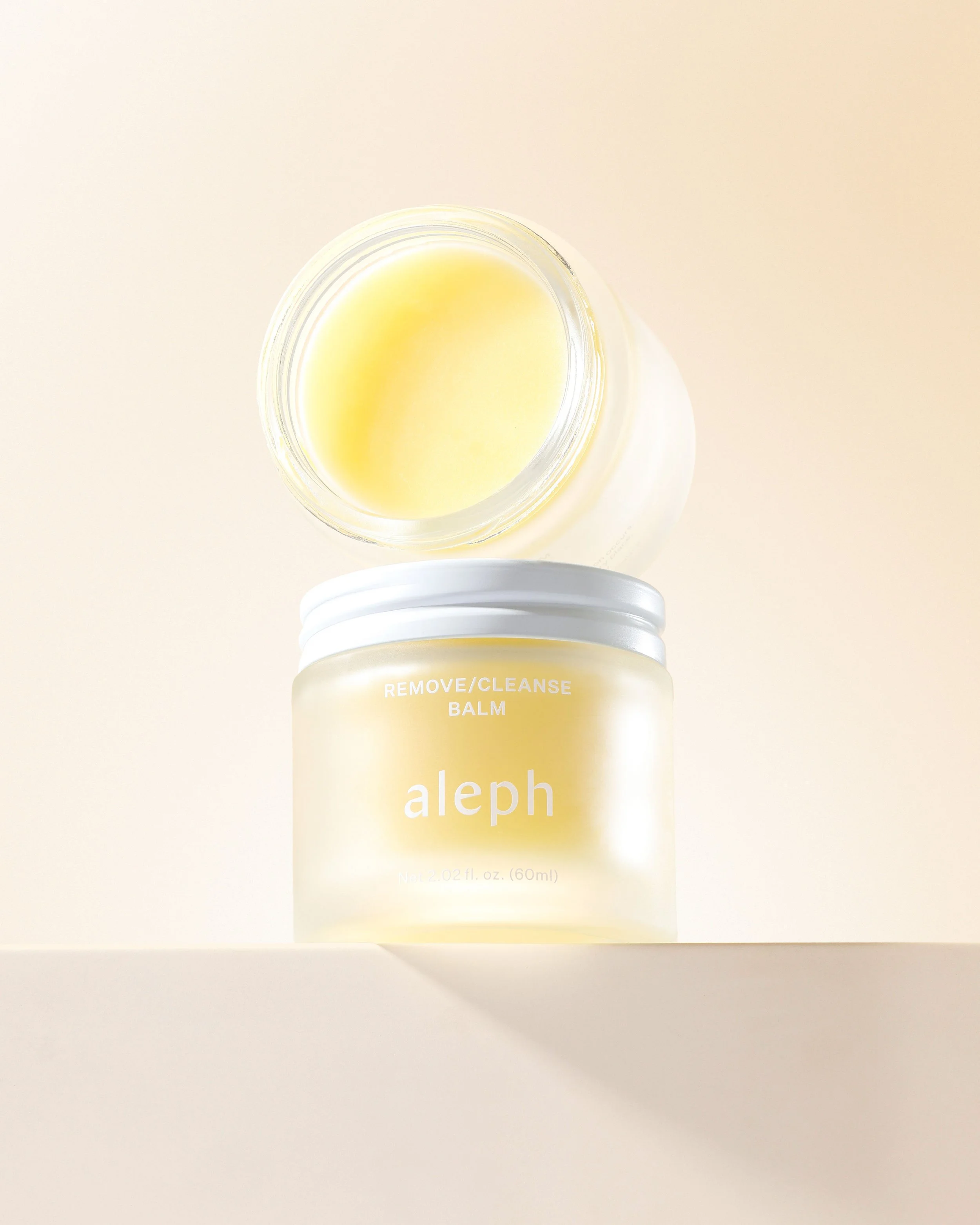
For Emma, female leadership in this industry isn't a checkbox - it's a lens-shift. "For so long, beauty has spoken to women through what they lack," she says. "I think female leadership has the opportunity to shift that conversation into something more supportive and more honest."
She's not anti-glamour or anti-aspiration. She still loves beauty's creative, transformative power. But she wants the industry to interrogate its own motives more honestly: "Are we creating products because they are genuinely useful, or because we need another launch? Are we speaking to women as intelligent people, or are we playing on insecurity?"
Community built on honesty
Aleph's community is notably loyal, something Emma puts down to education rather than aesthetics. "I wanted Aleph to feel like a conversation, not a brand talking at people," she says. From day one, sharing genuine artist knowledge - how to layer, how to adapt makeup to your own skin - created a different kind of relationship with customers than a simple transaction.
"They know there is thought behind every decision… and they experience real changes in how their skin looks and feels."
The one thing she wants the industry to stop doing
Pressed on what she'd change industry-wide, Emma doesn't hesitate: stop confusing excess with innovation. "So many launches now are built around the spectacle, the oversized component, the novelty packaging… and often the product itself becomes almost secondary." Her question to the industry is pointed: where does all that packaging actually end up? "Most of it ends up in landfill."
Her ask isn't for beauty to become joyless or purely functional, but for it to be honest. "The product should be the hero; how it performs, how it feels, how it supports the skin, and how responsibly it has been made."
Naivety as a superpower
Would Emma go back and warn her earlier self about what building Aleph would take? She says she would, and that she probably wouldn't have listened anyway. "There is a certain amount of naivety that is actually quite useful at the beginning. If I had known every challenge in advance, I might have overthought it."
What carried her through instead was clarity of purpose. "I did know the 'why' very clearly, and that is what carried me through."
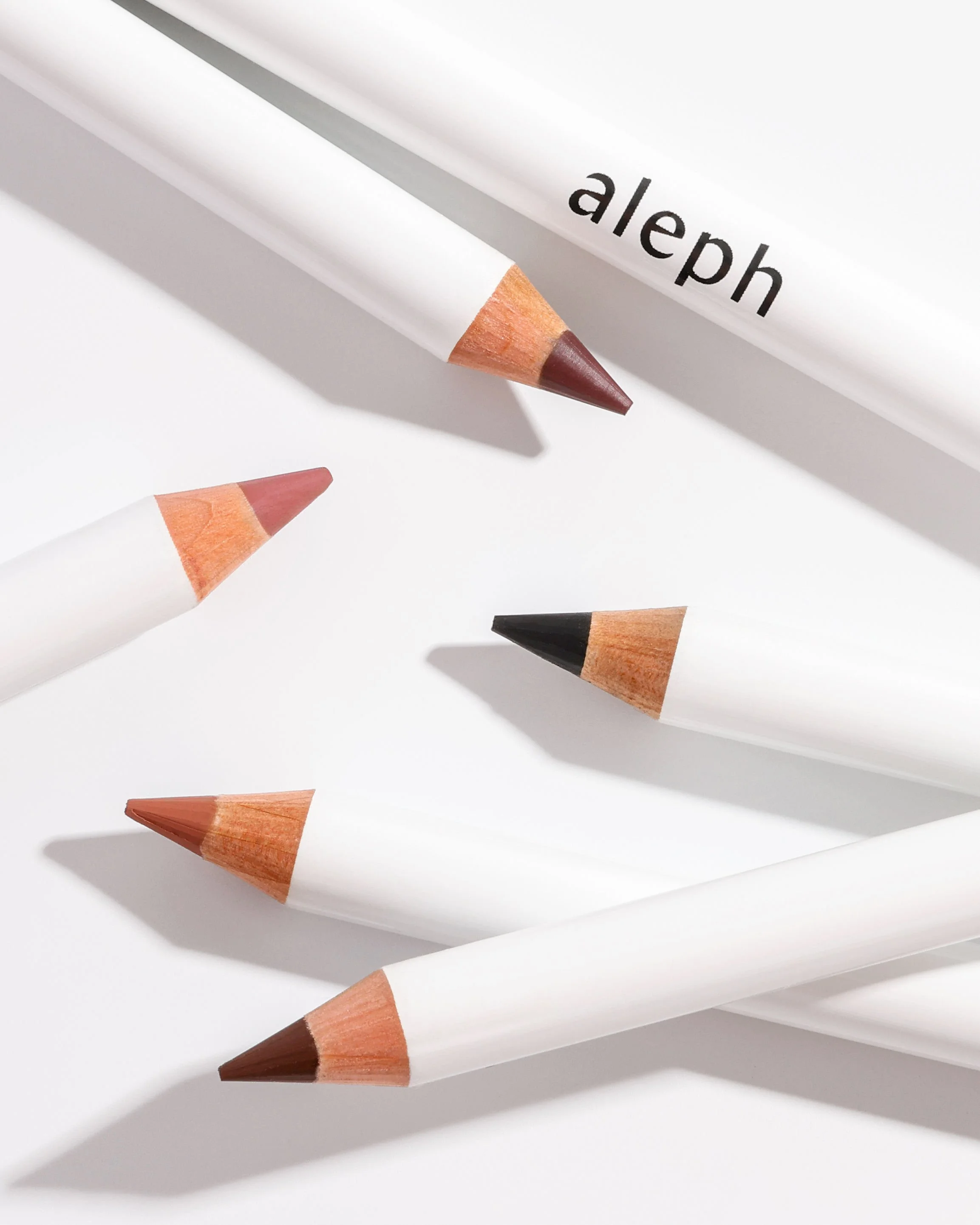
Looking five years ahead, Emma's definition of success is refreshingly unglamorous: growth with integrity, not scale for its own sake. And there's a clear line she won't cross to get there. "If growth required us to cut corners, overproduce, compromise ingredients, create products people don't need, or make packaging decisions that didn't sit with our values, then that wouldn't feel like success to me."
Aleph Beauty is available at alephbeauty.com
_
Emily King is a Media Planner by day and a Breathwork Teacher in her spare time. She is also the founder of The C Word Magazine, an online platform amplifying female voices. Connect with her on Instagram@_emnco.


Discover why success is no longer about constant busyness, and how prioritising freedom, flexibility, meaningful experiences and personal wellbeing can lead to a more fulfilling life.