
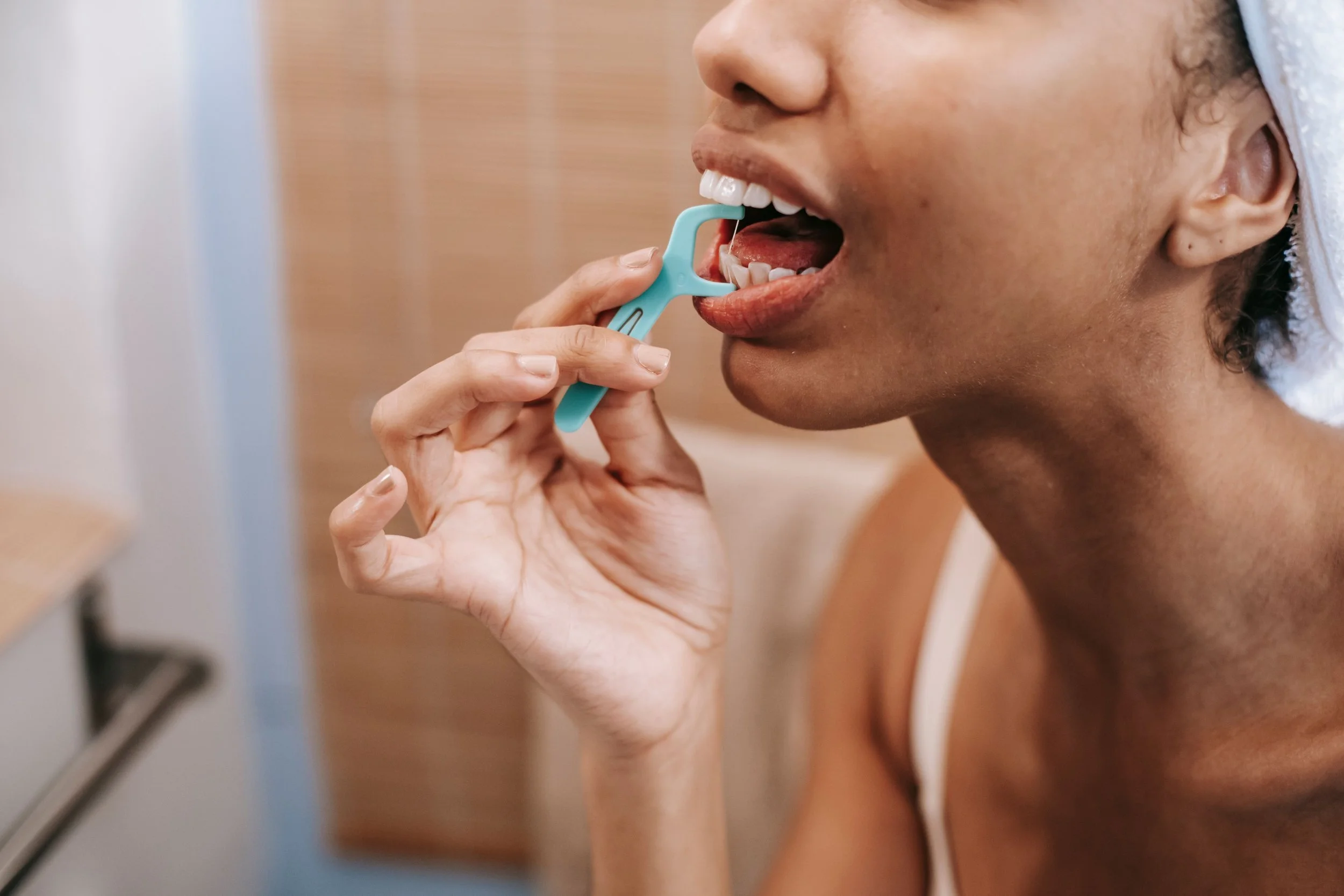
Pregnancy can cause several health issues linked to physical, dietary and hormonal changes. These changes can also contribute to tooth decay, gum disease, and enamel erosion. Furthermore, elevated progesterone and oestrogen levels make gum tissue more reactive to bacteria. Not to mention, increased calorie intake and morning sickness expose your teeth to more sugar and acidity.
Oral health can easily affect the wellness of a woman, whether that is when they are pregnant or not pregnant. That is why it is vital to understand these possible changes to your oral health to help you maintain healthy gums and teeth.
How Pregnancy Changes Oral Health
Pregnancy gingivitis affects roughly 75% of pregnant women. This is because it is caused by hormonal changes that increase blood flow to the gums and heighten the body’s inflammatory response to plaque bacteria. The different symptoms of gingivitis include: red/swollen gums, bleeding when brushing or flossing, tender gums, and bad breath.
The positive news is that pregnancy gingivitis is a treatable and preventable condition. Maintain good oral hygiene and attend your dental appointments.
Increased Risk of Tooth Decay
Pregnancy increases the risk of tooth decay through higher calorie intake, morning sickness, sugary cravings and fatigue. Managing this will reduce the likelihood of having any issues with your oral health.
What Is The Connection Between Oral Health and Your Baby
Research has shown that bacteria from untreated gum disease can enter the bloodstream and could even affect pregnancy outcomes. It is very important to understand that maintaining good oral health during pregnancy is more than just for you; it is also important for your baby’s development.
How To Take Care of Your Oral Health During Pregnancy
There are a few things that you need to do to ensure you are maintaining good oral health. Brushing your teeth twice a day with fluoride toothpaste is important, along with flossing your teeth once a day to remove plaque. Use an alcohol-free mouthwash to provide additional protection throughout the day.
It is very common to find it difficult to brush your teeth when you are suffering from morning sickness. However, just because you are unable to brush your teeth without being sick doesn’t necessarily mean you should neglect your oral health. Instead, you should consider rinsing with water or using fluoride mouthwash in the morning and then brushing your teeth later in the day when you are able to.
Managing Morning Sickness and Oral Health
If you have been sick in the morning, consider rinsing your mouth with water or fluoride mouthwash almost immediately. This neutralises stomach acidity on tooth surfaces. On top of this, it is important that you don’t brush your teeth for at least 30 minutes after, because the acidity when you're sick softens the enamel, which is then vulnerable to abrasion from brushing your teeth.
If you want to keep your breath smelling fresh, consider sugar-free gum, as this will not only make your breath smell better but also stimulate saliva production to help neutralise acid.
Considerations With Your Diet
Your diet will need to change when you are pregnant for both oral and general health.
Avoiding sugary snacks and drinks is important to limit frequency; choose tooth-friendly alternatives. It is important to consume fruit and juices in moderation and to always rinse with water afterwards.
Caffeine is something that is very common in the Western diet, and this will also need to be reduced, as it is very high in acidity. This goes without saying, but alcohol should be avoided at all costs.
It is also encouraged to consume more calcium-rich foods such as cheese, yoghurt and milk. This increased intake will support your oral health but also help to develop your baby’s bones and teeth.
Dental Visits During Pregnancy
It is encouraged that pregnant patients attend their dental appointments more often than usual. Some dentists encourage their patients to visit every 3-6 months to ensure oral health is maintained. This is because changes to your gum health can be closely monitored. Additionally, early signs of gingivitis can be recognised earlier and treated before it progresses.
Safe Dental Treatments During Pregnancy
Routine check-ups and cleaning are encouraged to prevent any gum health issues. Fillings can also be encouraged because they are safe and can be performed during the second trimester. Emergency dental treatment may be required in some instances, and this can be performed at any stage. If you do need elective cosmetic procedures, then this is best after birth. Finally, avoid dental X-rays unless they are essential.
Pre-Pregnancy Dental Planning
If you are planning to conceive, then it is important that you have a dental check-up before pregnancy. This allows your dentist to identify and treat any existing decay, gum disease or infection. It also allows you to complete any dental work that is required before pregnancy. Plus, it would be important for your dentist to establish a baseline of your oral health, so this can be compared to during the pregnancy stage.
Summary
It is very important that you keep on top of your oral health during pregnancy. Having more regular dental and hygienist check-ups is strongly encouraged once you are pregnant. Plus, maintaining a healthy diet that is full of calcium-rich foods to help with oral health for you and your child is vital. A local dentist in Hale, or wherever you are based, will help to maintain good oral health during pregnancy.
_
Amy Jones is a freelance health and wellness writer from Manchester UK. She loves researching and writing about health topics, as well as keeping up to date with the latest health news, and eco-friendly brands. Her passion for health and wellness stems from her innate desire to educate people on how to properly take care of their bodies, spot any early signs of illness and take the best preventative methods. When not writing, you can find her taking long walks in the countryside with her dog, listening to groundbreaking podcasts or browsing her nearest bookstore.



Discover our honest review of Fixxture and Everyday Muses jewellery, from playful beaded earrings and pearlescent details to timeless gold rings, necklaces and everyday staples.