
Why More Women Are Turning to STEM Skills to Build Confidence Beyond the Classroom
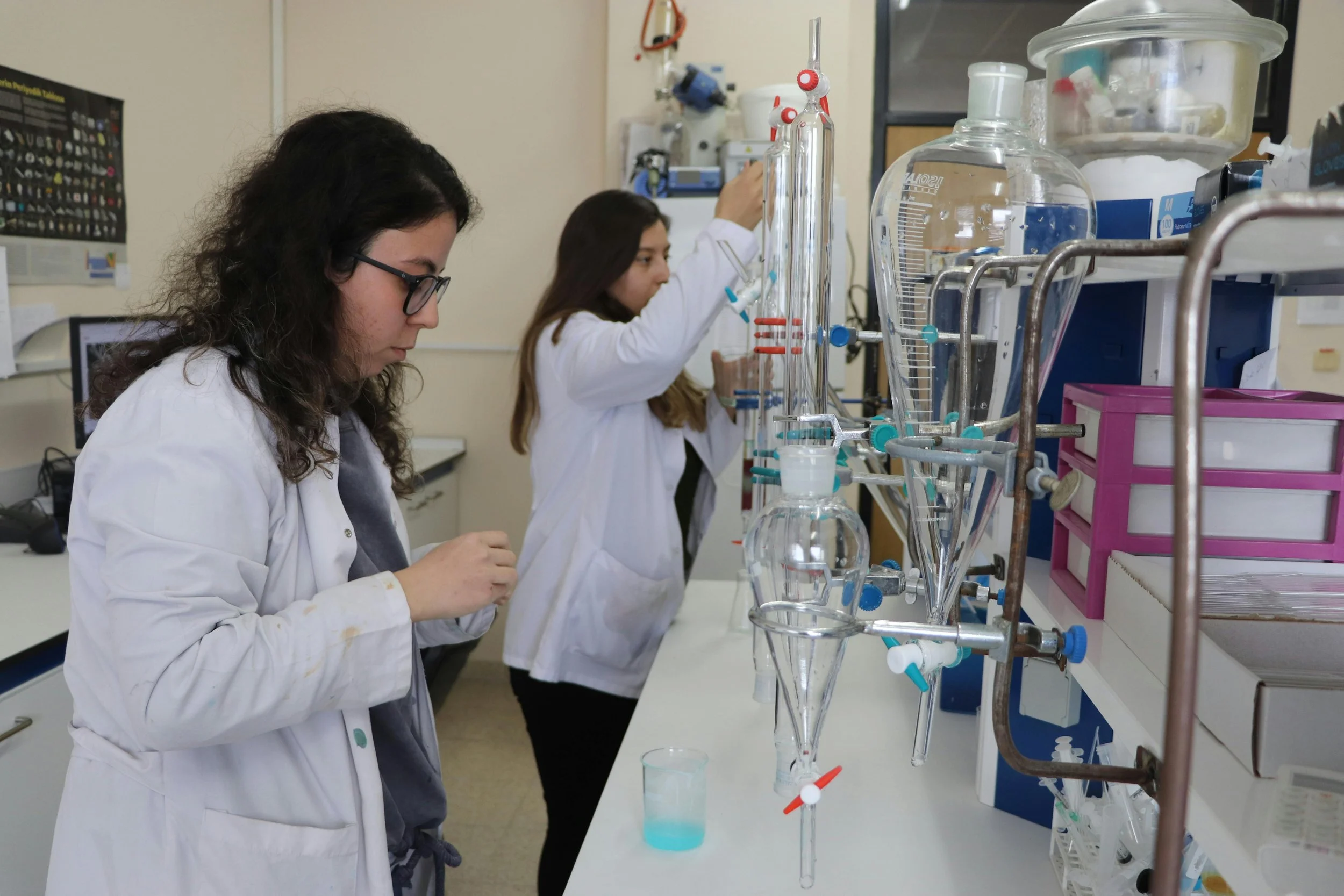
For a long time, STEM has had a branding problem. It has been made to sound cold, difficult, and slightly allergic to fun. The kind of thing reserved for people who enjoy equations on a Sunday.
But that is changing.
More girls and women are discovering that science, technology, engineering, and maths are not just school subjects. They are confidence builders. Quiet ones, sometimes. But powerful.
STEM teaches you to test an idea. Sometimes it works. Sometimes it absolutely does not. Either way, you learn what to try next. That matters because confidence is not built by someone saying, “Believe in yourself.” Lovely idea. Not always useful.
Confidence grows when you do the thing you thought you could not do.
It helps girls trust their own thinking
There is a specific kind of pride that comes from solving a problem that made you want to dramatically close your laptop five minutes earlier.
Maybe it is fixing a coding error. Maybe it is understanding why an experiment failed. Maybe it is finally getting a maths problem after three attempts and one deep sigh. These moments matter because they give girls proof. Not vague encouragement. Actual proof.
They remind girls that being stuck is not a personality flaw. It is usually just the messy middle part, the bit before things start to make sense.
With more organisations promoting accessible STEM resources for students, girls are getting more chances to try STEM without feeling like they need to be a “maths person” before they even begin.
That support is needed. In the UK, more than half of girls say they lack confidence learning maths. Girls are also more likely than boys to feel unsure in science. That does not mean they are less able. It means confidence needs room to grow.
It pushes back against old stereotypes
Most girls are not born thinking, “Engineering is not for me.” That idea usually arrives later.
It might show up in small ways. A teacher calling on boys more often. A classroom where the posters all seem to feature the same kind of genius. A joke about girls being better at “creative” subjects, as if building an app or designing a bridge is not creative. Sometimes, no one says girls do not belong in STEM. The message just hangs around anyway.
STEM can interrupt that story.
When a girl builds something that works, she gets evidence. When she solves a problem, she gets evidence. When she asks a smart question in a room where she once felt out of place, she gets evidence.
Over time, that evidence becomes confidence.
That is why the bigger picture matters. Women make up only around 35% of STEM graduates globally, which tells us the issue is not whether girls are capable. They are. The issue is whether they are encouraged early enough, supported properly, and shown that STEM is a place where they are allowed to take up space.
It makes mistakes less scary
One of the best things about STEM is that it makes failure feel less dramatic.
An experiment that does not work is not a disaster. It is a clue. A coding bug is irritating, obviously, but it is also part of the job. A wrong answer does not mean “I am bad at this.” It can mean, “Something needs adjusting.
That is a useful lesson, especially for girls who are often praised for being tidy, careful, and correct. STEM gives them space to be curious instead. To try something a bit odd. To get it wrong. To fix it. To realise the world did not end.
That shift is powerful. It teaches girls that not knowing something straight away does not make them less smart. It just means they are learning.
And that lesson travels.
It gives confidence that goes beyond school
A girl who learns how to solve technical problems may start to see other problems differently, too.
She may stop panicking when a new digital tool appears on screen. She may feel more comfortable asking questions. She may choose a subject because it interests her, not because it feels safe. She may walk into a room and think, “I can probably figure this out.”
That is a big shift.
STEM confidence can support future careers, business ideas, leadership, and financial independence. It can also help with everyday life in a world that is becoming more digital by the minute.
Adult women benefit too. Some return to STEM to change careers. Some want to support their children. Some want to understand technology without feeling like everyone else got a secret handbook.
No one ages out of curiosity. Thankfully.
Final words
The first step into STEM does not need to be dramatic. No one has to build a robot by Friday.
A workshop, a beginner course, a school club, or one simple project is enough to begin.
STEM is not about knowing everything. It is about learning how to think, test, adapt, and keep going.
Sometimes confidence starts with one solved problem and one quiet thought: maybe this was for you after all.


Why can't we stop following celebrity and influencer breakups? Discover the psychology behind online breakup obsession, parasocial relationships, gossip, schadenfreude and doomscrolling.